May in the Treasure Valley splits the week in half before anyone opens a calendar invite. Foothill trailheads along the Boise Front fill before eight on clear mornings, while downtown and the Greenbelt-adjacent office bands still run hybrid schedules that make Tuesday feel like a half-empty floor and Thursday feel like everyone remembered the same in-office anchor day. Break rooms sized for a flat five-day headcount show the gap first in cup waste, then in grinder wear, then in the quiet complaint that the machine “only works when nobody needs it.”

That jagged curve is the thesis for May coffee planning in Boise: equipment and service rhythm have to match uneven adoption, not an average from last year’s lease abstract.

When attendance graphs look like elevation profiles

Professional services and tech footprints from Downtown Boise through the Harris Ranch and Eagle corporate strips often publish return-to-office targets that do not match how people actually commute once the foothills turn green. A floor that budgets for eighty seats might see forty-two bodies on a remote Tuesday and seventy-six on a collaboration Wednesday. Pod systems hide the mismatch until someone restocks sleeves for a crowd that never arrived, or runs out mid-morning on a day everyone chose to be present.

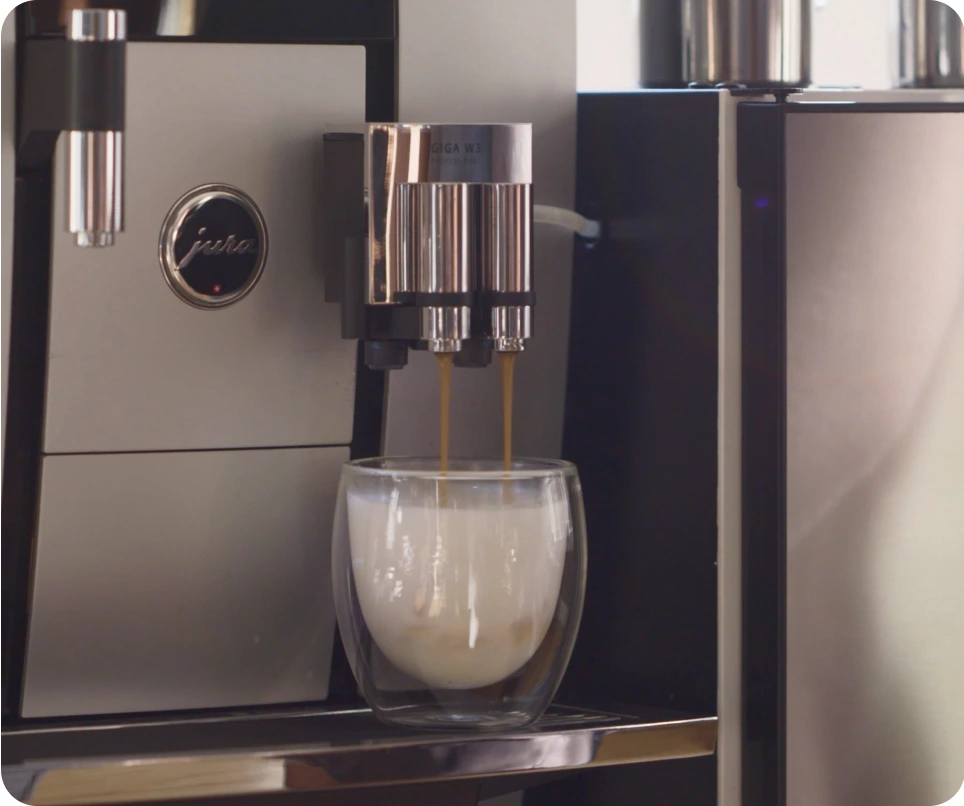
Swiss-style whole-bean bars grind per cup, which matters when demand spikes are unpredictable. Cup-based billing ties spend to measured pours instead of a fixed per-seat pantry line that finance cannot defend in a May budget review. Preventative maintenance is bundled into the operating model so facilities are not opening tickets every time a hybrid week changes traffic patterns.

Oat milk, dairy, and what recruiting teams compare

Boise’s hiring story still includes talent arriving from larger metros where café-quality milk steaming is baseline, not a perk. Oat and dairy splits show up unevenly across floors: one team standardizes on oat for sustainability messaging, another keeps whole milk for executive suites that host clients. Dialing taps and training during a pilot prevents the “wrong milk” friction that shows up in internal surveys faster than a broken ice maker.

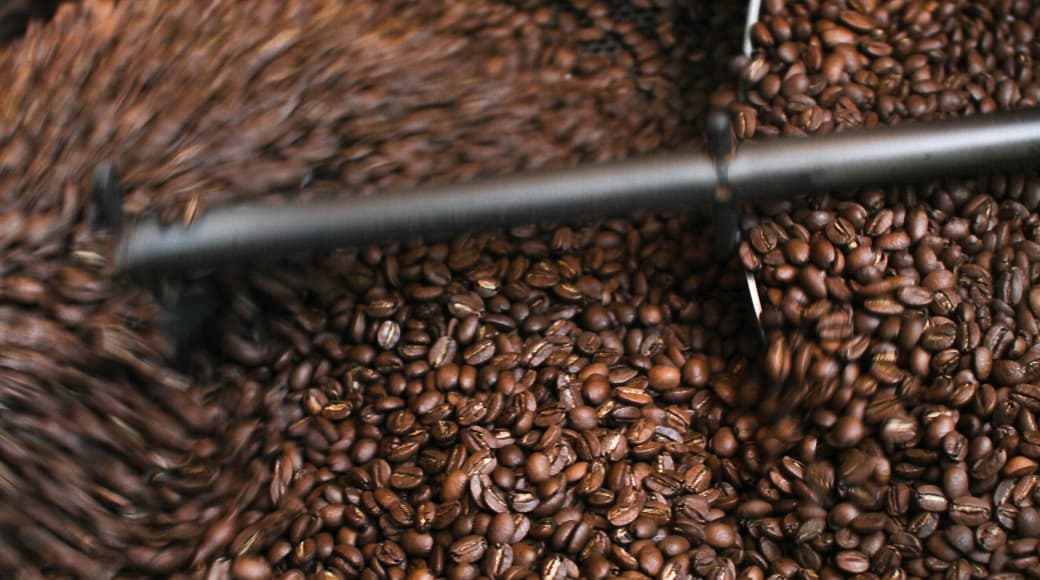
The proprietary Arabica blend—sourced from Papua New Guinea, Brazil, and Colombia and roasted in the United States—is replenished on a weekly or biweekly rhythm tuned to real usage so the break room does not smell like yesterday’s roast on a Friday when the building is fuller than finance predicted.

Trailhead mornings versus desk afternoons

Early arrivals who run Bogus Basin Road or the Ridge to Rivers network before work often want a real espresso pull, not a pod that tastes like conference-room hospitality. Late-morning traffic on in-office days clusters around stand-up schedules and client prep blocks. Service visits scheduled only for “standard office peaks” miss the second wave.

Share rough peak days when you request a trial— which weekdays are mandatory in-office, which are optional, and whether any team runs a compressed Friday. That detail routes to the Boise, ID overview concierge team so the first month of maintenance aligns with how your building actually behaves.

Sustainability that shows up in tours, not slide decks

Moving off single-use pods and plastic sleeves is one of the few upgrades that improves taste and reduces visible waste. Employers publishing ESG goals for the year can point to whole-bean equipment that employees use daily instead of abandoning for a drive-through on Fairview or State Street. The break room photograph in a recruiting deck should match what candidates experience on a busy Thursday.

Pilot one high-traffic cluster before portfolio debates

A two-week trial on a single floor or tower wing produces honest cup counts before you renegotiate pantry contracts elsewhere in the portfolio. Floor ambassadors—people who already know freight elevators and after-hours access—watch drip trays, milk waste, and grinder sounds before those issues become Monday tickets.

Read the break room readiness quiz for a quick self-check on service cadence and spend clarity. The two week trial FAQ covers timing, ambassador training, and what facilities should expect during week one versus week two. Local field notes still frame how Boise teams compare office coffee to what they drank in larger markets last month.

When you are ready, use the Request a trial form on your Boise, ID overview page so routing lands with the local team. Questions before you book? Call 208-284-4059 (+12082844059) or email boise@breakcoffeeco.com.

Downtown versus suburban footprints behave differently

A tower near the Capitol Mall and a campus-style building in Meridian can share a brand name on the lease and nothing else in May traffic. Downtown sees lunch walkers and shorter afternoon peaks; suburban footprints see school-calendar effects and parking-lot surges on the same in-office anchor day. Routing trials through the Boise, ID overview with a note about which pattern you run prevents service from being tuned to the wrong building type.

Facilities teams comparing multiple Treasure Valley sites should not export cup math from one pilot to another without at least one full week of local pours. Hybrid cadence differs by zip code when outdoor amenities compete for the same morning hour.

What facilities should measure in May

Compare cup counts week over week, not day over day, because hybrid schedules distort daily averages. Watch milk discard as a signal of over-ordering on light days and under-stocking on heavy days. If grinder calibration drifts, flavor complaints arrive before error codes do—recurring service beats heroic Friday wipes from whoever drew the short straw on the floor committee.

Requesting a trial with honest hybrid data

When you submit through the Request a trial form, attach which weekdays are mandatory in-office and which teams run compressed summer schedules. That keeps the two week trial FAQ conversation factual during week one setup. Facilities comparing the break room readiness quiz scores before and after the pilot get a cleaner story for leadership than anecdote alone.

Hybrid cadence is not a temporary COVID artifact in the Treasure Valley; it is how many employers staff May through September while outdoor amenities compete for morning attention. Coffee programs that treat every week like identical headcount fail quietly first, then loudly in retention conversations. Equipment tuned to real pours, billing tied to adoption, and maintenance that shows up before the drip tray becomes office lore—that is the operational match for a market that runs hot and cold in the same workweek.