Chicago high-rise break rooms absorb more traffic than a seat map suggests. Merchandisers stage cases before store visits, field teams fill travel mugs between Metra arrivals, and hybrid corporate floors share the same pantry—and milk often runs out before ten on a day nobody flagged as busy. A floor that budgets for desk workers alone discovers the gap when oat and dairy disappear while desk workers queue behind people heading out for the day.
Cases in the corridor, lines at the machine
Retail and CPG employers with Chicago headquarters often run morning huddles that pull non-desk roles through the break room on the way to vans and trains. Those bursts look nothing like a steady nine-to-five pattern. Pod systems hide the mismatch until someone restocks milk for a crowd that already left, or runs dry while desk workers wait behind merchandisers filling travel mugs.
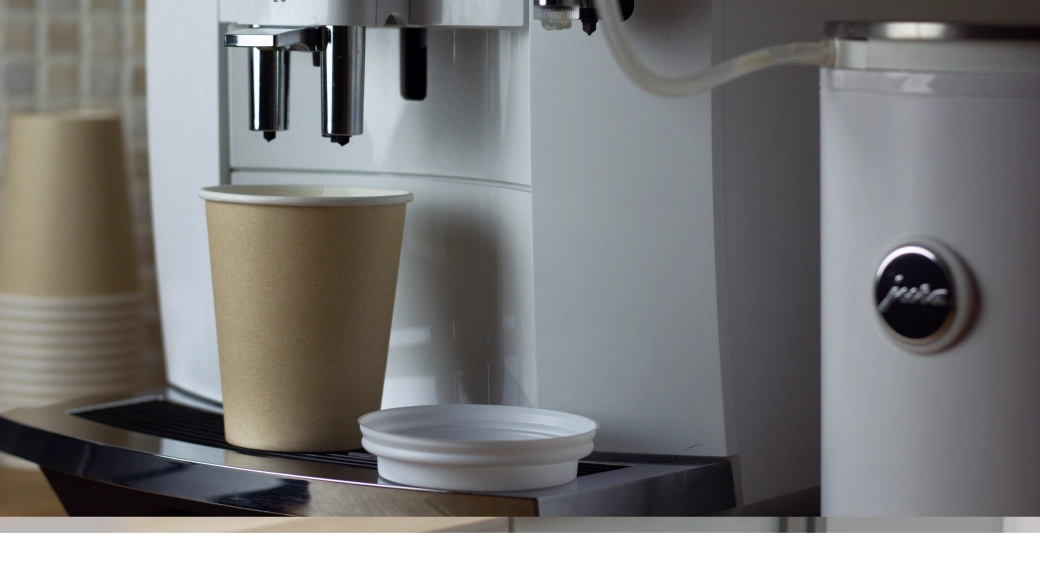
Break Coffee Co. installs Swiss-style whole-bean equipment that grinds per cup, steams real milk, and stays on weekly or biweekly service tuned to measured usage. Beans are a proprietary 100% Arabica blend sourced from Papua New Guinea, Brazil, and Colombia, roasted in the United States. Cup-based billing ties spend to pours instead of a fixed per-seat line that cannot explain a merchandiser Tuesday to finance.
Keeping milk stocked when the refrigerator is shared
Oat and dairy splits multiply when sustainability teams standardize oat on one floor and client suites keep whole milk on another. Refrigerators sized for desk-worker peaks fail when field teams stack the same window. Recurring service keeps grinder calibration honest; training on tap splits during week one of a pilot prevents the wrong-milk friction that shows up in internal surveys before facilities opens a ticket.
Downtown towers versus suburban campuses
A Wacker-adjacent tower and a Schaumburg-style campus can share a brand on the lease and opposite traffic patterns. Downtown sees compressed elevator-bank rushes; suburban footprints see parking-lot surges on one in-office anchor day. Share building type and peak windows on the Chicago, IL overview when you request a trial so routing does not assume every site is a river-adjacent tower.
Pilot the floor that sees field traffic
We recommend a free two-week trial—no contract—on the wing merchandisers actually use, not the executive floor that stays light on field days. Train floor ambassadors who know freight rules and which service elevator vendors should use. Read the two week trial FAQ for trial mechanics and the break room readiness quiz for a quick readiness score.
Local field notes still apply for indoor climate along the lakefront band. The May merchandiser cases and break room milk discipline article frames case traffic from a slightly different angle—pair both when you present pilot data to leadership.
Lakefront humidity and indoor cold chain
Summer humidity arrives early behind curtain walls. Refrigerators work harder; milk turns faster if ordering habits still assume winter desk-only traffic. Preventative maintenance is included so facilities are not chasing “machine is down” during the same week finance wants adoption numbers for renewal season.
Sustainability without preaching
Moving off single-use pods reduces visible plastic and improves taste in one upgrade. Employers publishing sustainability metrics get behavior employees use daily instead of abandoning for the cart on the corner—even on days when field teams need speed.
What to measure when traffic is not desk-shaped
Compare cup counts by day type during trial weeks: merchandiser-heavy days versus desk-only days. Watch milk discard as a signal for mis-sized orders. Track peak line length when field teams and desk workers overlap—that tells you whether the program survives summer.
Some Loop towers host vendor summits and training days that add a third traffic layer on top of desk workers and field teams. Name summit weeks when you submit a trial so ordering and service do not treat them as anomalies.
Use the Request a trial form on your Chicago, IL overview page when you are ready. Call 312-813-3088 (+13128133088) or email patty.carroll@breakcoffeeco.com for routing questions, dock hours, and security processes.
Patty Carroll’s team handles dock and security questions on the Chicago, IL overview—read the break room readiness quiz before week one so freight logistics do not eat the pilot. When you present pilot data to leadership, separate merchandiser-heavy days from desk-only days in the appendix—the two week trial FAQ week-two summary is clearer when day types are labeled.
High-rise break rooms that steam milk well under merchandiser load signal operational maturity—not just amenities on a floor plan.