Hauppauge industrial park docks can slow receiving before Melville-adjacent campuses open their first espresso queues. Drivers wait at shared bays while security clears badges and receiving staff finish other handoffs. Bean cases and cup stock that should be in the pantry by seven thirty arrive after the early badge wave has already formed a line. The problem is dock access and receiving lag, not train arrival physics on a different corridor.
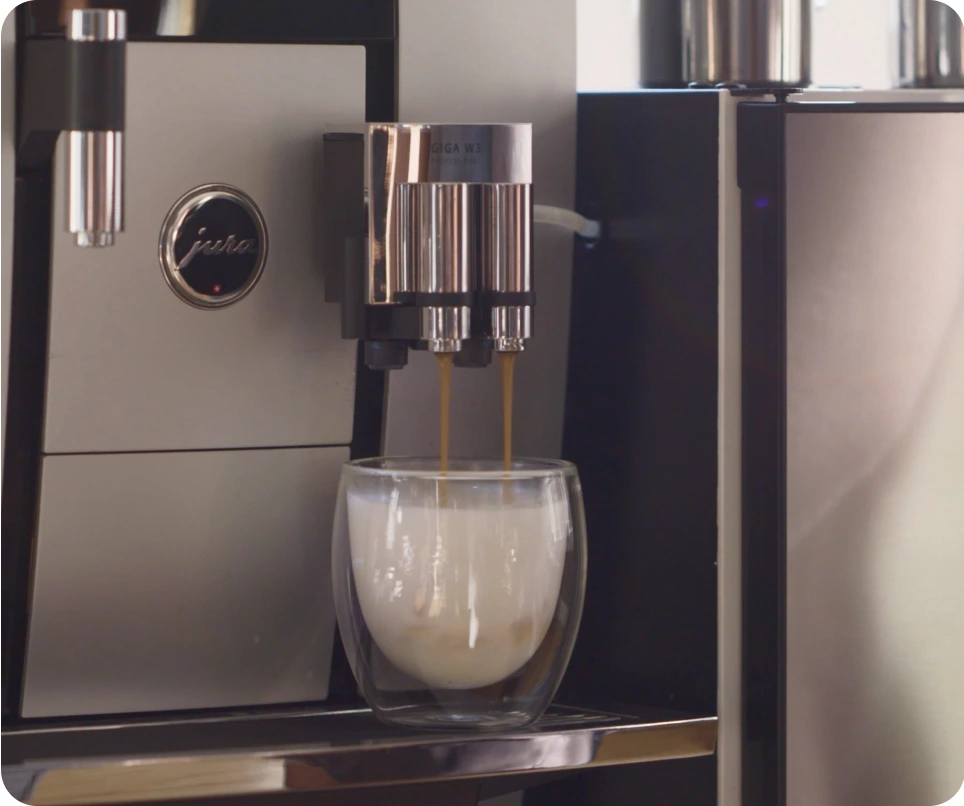
Break Coffee Co. equips Melville-adjacent industrial campuses with Swiss-style whole-bean stations, services them each week or every two weeks, supplies real milk for steaming, meters invoices by the cup, and runs a free fourteen-day trial without a contract lock. Arabica beans at one hundred percent purity come from Papua New Guinea, Brazil, and Colombia after roasting inside the United States.
How dock delays push restock past the first pour
Industrial park layouts around Hauppauge put receiving at the back of the building, often with limited shade and one shared entrance. When security and receiving staff slow the handoff, vendors that serve multiple Melville-adjacent addresses in one morning loop lose minutes at each bay. Those minutes stack into a late pantry restock just as early staff want coffee.
Campus pantries feel the delay as thin hoppers and empty cup sleeves during the first busy band. Finance still models a normal seven forty-five restock. The break room sees a late open that looks like an equipment failure when the real issue was dock dwell time.
Facilities that ignore dock timing write the wrong corrective action. They open machine tickets. They change bean SKUs. They rarely move the receiving window earlier, add staging space near receiving, or split the morning loop so the tightest docks get first service.
Map dock risk before the next pilot with the break room readiness quiz. Receiving and ambassador timing questions are covered in the two week trial FAQ. Broader Long Island context lives in local field notes.
What receiving and stewards should capture
Ask receiving to log dock arrival time, dock release time, and pantry put-away time on busy mornings. Ask floor stewards to log the first empty hopper moment and the first queue complaint. The gap between dock release and pantry put-away is the operational story leadership needs.
Name the dock exposure on every note. Tight Hauppauge bays behave differently from shaded Melville campus docks on the same vendor loop. Without that label, week-two summaries blame the machine for a receiving delay.
Document security preferences for vendor entrances. Some industrial parks force longer outdoor waits before badge escort. Those minutes matter when the morning loop is already compressed.
Restock sequencing for industrial morning loops
Reorder the morning loop so the tightest docks get first service. Bean cases and cup stock can follow on the same cart, but pantries with the shortest receiving windows need priority before the peak band passes. Some Melville-adjacent campuses benefit from a pre-staged Friday hold for Monday open when Monday dock queues are predictable. Others need an earlier vendor arrival that clears security before the main receiving rush.
Cup-based billing helps justify the change because late opens show up as missed early pours rather than a quiet morning that never happened.
Stakeholders comparing hardware and service models can read the about page. Recent Long Island pieces stay easy to scan on the blog index.
Pilot where dock lag hits first pours
Place a free fourteen-day trial on the Melville-adjacent campus where dock delays already create Monday morning complaints. Ambassadors should capture dock-to-pantry timing, first pour readiness, and peak line length when receiving runs late.
Week-two data then shows leadership a receiving problem with a pantry symptom. That framing beats a renewal conversation that only debates machine brand while product still sits on the dock.
Recruiting decks on Long Island still promise cafe-quality drinks. A late restock undercuts that promise before anyone tastes the shot. Week-one ambassador checks on first-pour readiness after delayed deliveries cut survey friction early.
Bundled preventative maintenance still matters once product is inside. Grinders need to be ready when the delayed restock finally lands and the queue is already long. Weekly or biweekly service tuned to cup volume keeps the station ready for compressed catch-up peaks after a late open.
Presenting dock timing without blaming the wrong system
In renewal packets, separate Hauppauge industrial dock timing from shaded campus dock timing. Show arrival, release, put-away, and first empty hopper. Cup-based billing already reflects missed early pours when the pantry opens late, so finance can defend earlier receiving windows or split routes.
Do not fold dock delays into a generic Long Island morning story. Industrial park receiving creates a lag that train-based campus models do not describe. Leadership that sees dock exposure labeled can fund the right fix.
Return to the break room readiness quiz when HR and facilities need a shared score before changing dock rules. Pull phrasing for the appendix from local field notes when helpful.
Closing the morning restock gap
Treat Hauppauge dock access as a supply-chain constraint on first pours. Move tight docks earlier on the loop, stage product near receiving when possible, and log dock-to-pantry minutes. Melville-adjacent campuses that fix receiving lag see fewer false equipment tickets and cleaner Monday opens.
When you are ready to test a dock-aware restock plan, use the Request a trial form on the Long Island overview. Call 866-977-3776 or email admin@breakcoffeeco.com with dock exposure notes and security entrance rules. The local team can set ambassador timing logs before week one begins.