Downtown Gulch visitor spillover days push extra people through corporate lobbies and shared pantries that finance still sizes to badge counts alone. Guest meetings, building tours, and neighborhood foot traffic that drifts upstairs distort cup totals without changing the employee headcount on the org chart. Corporate floors near the Gulch look over-consuming on paper when a large share of pours belong to visitors who never appear in attendance reports.
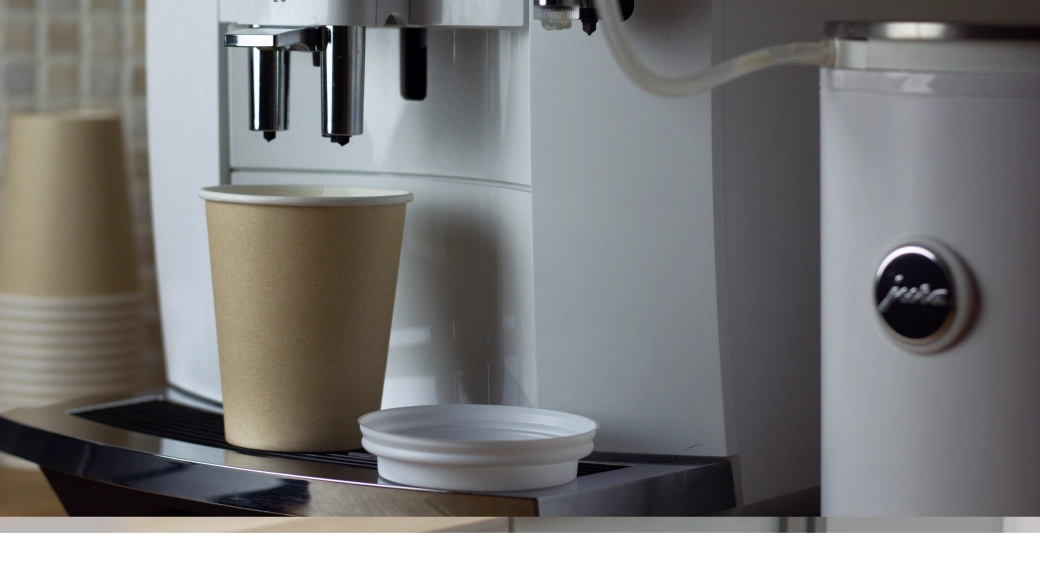
Break Coffee Co. installs Swiss-pattern whole-bean espresso gear on downtown corporate floors, schedules weekly or biweekly technician stops, uses genuine milk for texture, bills by tracked cups, and opens a complimentary two-week trial free of contract terms. The blend stays one hundred percent Arabica, drawn from Papua New Guinea, Brazil, and Colombia and roasted on United States soil.
Why visitor spillover breaks badge-based cup math
Badge totals describe employees. Gulch-adjacent corporate floors also serve clients, candidates, and building guests who follow meeting agendas rather than hybrid calendars. On spillover days, the pantry queue includes people who will not show up in the next attendance export. Cup counts rise. Finance asks why coffee spend jumped when in-office percentage looked flat.
The distortion is sharper on floors with lobby-adjacent pantries or shared amenity coffee near visitor paths. Upper corporate wings with badge-only access see a milder version. Facilities that average both into one downtown Nashville number hide the guest load and then understock the floor that actually hosts spillover.
Name visitor days on the calendar the same way you name client summit weeks. Without that label, week-two trial data looks noisy instead of explanatory.
Score visitor-day readiness on the break room readiness quiz. Ambassador logging for guest-heavy weeks is outlined in the two week trial FAQ. Nashville field context sits in local field notes.
What stewards should separate on spillover days
Ask stewards to estimate guest share of the queue during peak hours, not just total line length. A simple tally of visitor badges at the pantry, or a steward note that half the line lacked employee badges, is enough to explain a cup spike.
Log milk empty times against meeting schedules on the floor. Visitor-heavy mornings often drain dairy faster than employee-only afternoons. That pattern matters when restock still follows a badge-based Friday order.
Label every spillover note with floor position: lobby-adjacent corporate versus upper badge-only wing. Gulch visitor days do not hit both the same way.
Restock and billing when guests inflate cups
Raise milk and cup capacity on known visitor days without permanently resizing the employee baseline. Cup-based billing already tracks the extra pours. The operational task is to restock for the guest band without teaching finance that every week needs that load.
Some downtown floors benefit from a visitor-day add-on restock timed to morning meeting blocks. Others need a standing cold and hot capacity bump only on published event or tour days near the Gulch. Either approach beats a flat weekly order that fails on spillover mornings and wastes product on quiet badge-only days.
Compare equipment and billing details on the about page. Newer Nashville articles stay near the top of the blog index.
Pilot on the floor that hosts the guests
Start a free two-week trial on the corporate floor closest to Gulch visitor paths, not the quiet upper wing that rarely sees guests. Ambassadors should document cup totals, estimated guest share, and milk outs by hour on spillover days versus badge-only days.
Week-two summaries then show leadership two curves under one roof. That framing protects the pilot from a false conclusion that employees suddenly drink more coffee when visitors are the real variable.
Recruiting tours often use the same pantry guests use. Weak milk texture on a visitor day becomes a brand problem, not only an employee survey issue. Week-one ambassador coaching on milk splits keeps guest-facing pours consistent when the queue mixes badges and visitors.
Bundled preventative maintenance keeps machines ready when spillover days compress demand into short meeting windows. Weekly or biweekly service matched to cup volume supports those spikes better than a break-fix model that notices hopper issues after a tour week already went wrong.
Presenting cup counts without hiding guest load
In renewal packets, split Gulch visitor-day cup tables from badge-only day tables. Show estimated guest share, peak line length, and milk outs. Cup-based billing already mirrors the higher pour days, so finance can defend visitor-day restock without rewriting the employee baseline.
Do not average spillover days into a single downtown corporate average. Lobby-adjacent floors and upper wings tell different stories. Leadership that sees guest load labeled can fund the right capacity on the right days.
Use the two week trial FAQ when stakeholders ask how to log guest share. Borrow appendix language from local field notes when you need Nashville-specific framing.
Closing the visitor-day gap
Treat Gulch spillover as a calendar variable on corporate cup counts. Restock for guest bands, log guest share, and keep badge-only days on a separate baseline. Downtown floors that separate those curves stop arguing with finance about phantom employee demand.
When you are ready to test visitor-day cup logging, use the Request a trial form on the Nashville overview. Call 615-622-0044 or email Nashville@breakcoffeeco.com with lobby-adjacent versus upper-wing details and receiving rules. The local team can set ambassador guest-share notes before week one starts.