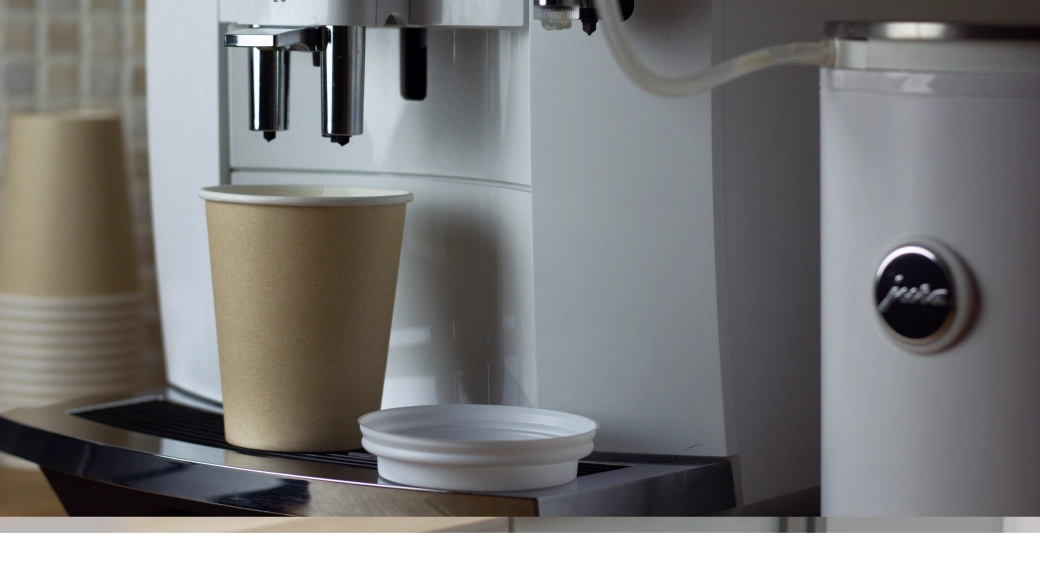
There is no single answer for every office when it comes to office coffee as workplace hospitality. The right approach depends on what is already there, what has changed, and what matters most in daily use. Nashville’s hospitality culture can influence what employees and visitors expect from shared office amenities. That local context is useful, but the conditions at your property or workplace still guide the recommendation.
A trial or service review is most useful when it captures actual behavior. With office coffee as workplace hospitality, that means looking at guest experience, employee preferences, and drink presentation instead of relying only on comments or estimated attendance. What people say they want can be helpful, but repeat use and busy-period performance usually give the office team a clearer operating picture.
The pantry routine matters just as much as drink volume. Speed, station appearance, and supply organization affect what must be stocked, refrigerated, cleaned, or discarded. A polished coffee program should not leave your office contact with a complicated set of daily tasks just to keep the station presentable.
A tempting first answer is copying a hotel-style menu without the staffing or space to maintain it. The problem is not that this is always wrong. It is that the answer can be incomplete when the surrounding setup tells a different story. A little context makes it easier to keep a focused job focused and recognize when another detail truly changes the plan.
A named office contact makes the review easier. That person can share brief observations about guest experience, employee preferences, and drink presentation, confirm any access or storage issue, and help distinguish an equipment concern from a supply or housekeeping issue. You do not need a formal report. A few clear notes or photos related to guest experience, employee preferences, and drink presentation can make the first conversation far more useful.
Building access and pantry space can shape the service as much as drink demand. Receiving hours, elevators, security, storage, water access, and the person responsible for the station should be clear before the program is finalized. When reviewing office coffee as workplace hospitality, keep any follow-up tied to a clear change involving supply organization.
The main decision is how to create a welcoming program that remains practical for an ordinary workplace. A helpful recommendation should explain that choice in terms you can use: what will change, what will remain the same, how the work may affect your day, and what kind of maintenance or follow-up to expect. If two options are presented, the difference should be more meaningful than a basic-versus-premium label. You should be able to see what each option is intended to accomplish.
A few plain questions can keep the conversation useful. Ask how the condition around guest experience affects the recommendation, whether anything involving employee preferences needs to be handled before the work, and what you should know about supply organization afterward. The answers should connect each detail to the result you care about.
Sometimes the most useful finding is that one part of the coffee program is not contributing to the concern. That can remove an unnecessary step and make the remaining recommendation easier to understand. Helpful service should reduce uncertainty, not create a new worry around every component or area.
Our approach to office coffee as workplace hospitality is straightforward: understand the goal, inspect or plan around the details that matter, and explain the options without adding unnecessary work. We will also point out which parts of the coffee station can remain exactly as they are. That gives you a clearer picture of both the recommendation and its limits.
You do not need to become an expert in office coffee as workplace hospitality before asking for help. Start with the way your office is used and the change you want to see. From there, details such as guest experience, employee preferences, and drink presentation can be put into context and turned into a plan that is understandable, useful, and appropriate for your office.