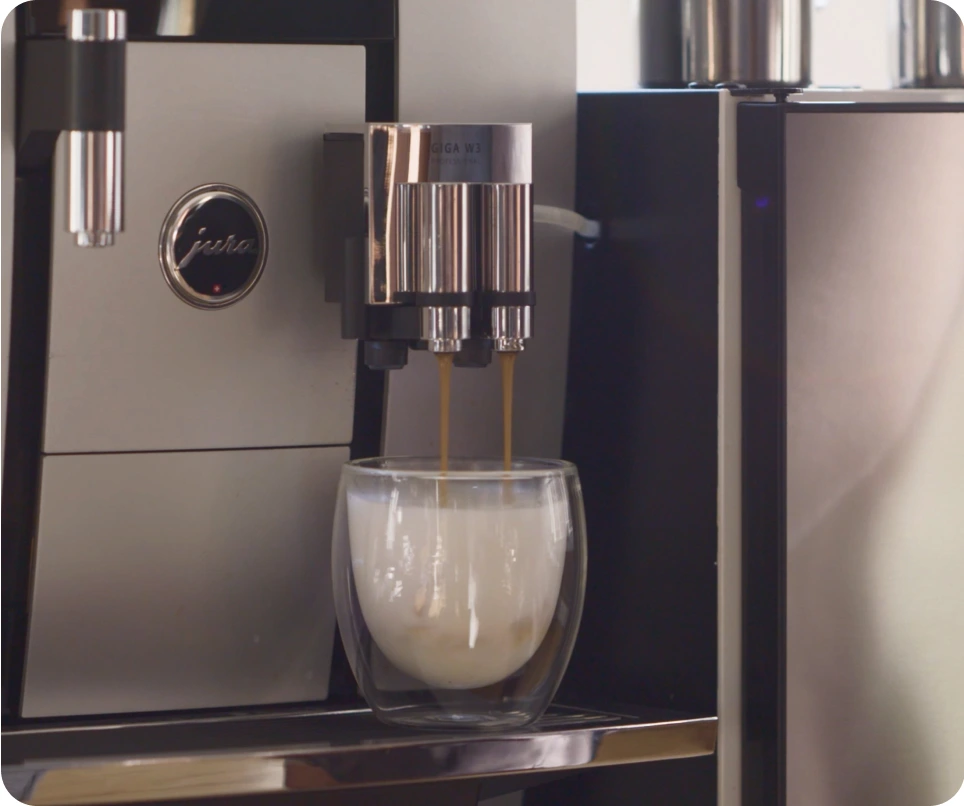
Coffee runs at work seem cheap and harmless, but the real cost has very little to do with the coffee. If your team keeps heading out for a midmorning latte, you are usually paying in lost time, broken focus, and a daily rhythm that never quite settles.
What “coffee runs at work” really cost you
Coffee runs at work are the quick trips out for coffee during the day: a walk to the café downstairs, a drive to the strip mall, or an app order that pulls somebody away from the desk. On the surface, it looks like a simple perk people give themselves. In practice, it creates friction that shows up in little ways all day long.
The hidden cost is not just the drink. It is the time spent deciding, ordering, walking, waiting, chatting, coming back, and trying to get back into work mode. One trip does not look like much. Repeat that across a full office, five days a week, and it starts to feel like a leak you cannot quite find.
It’s Not just about what a typical café coffee costs
Here’s the thing: the latte is the least interesting part of the problem.
a relatively modest cost for that type of work coffee is easy to see, which is why people focus on it. The bigger expense is attention and momentum. If somebody steps out at 10:30, gets back at 10:52, and takes another 10 minutes to settle in, that “quick run” was not quick at all. It was a break, a reset, a side errand, and a restart all packed into one routine.
That does not mean breaks are bad. It means coffee runs at work are doing more than serving coffee, and if you ignore that, you miss the real reason the habit sticks.
Why coffee runs feel harmless
Coffee runs survive because they feel reasonable. Nobody sees a coffee break as a serious workplace issue. It feels social, useful, and earned, especially when the day has barely gotten going and somebody drops the classic 10:30 a.m. Slack message: “anyone want anything?”
That one message can turn into five orders, two payment apps, one wrong drink, and a longer absence than anybody planned. But in the moment, it still feels like a tiny thing.
The break is doing two jobs at once
A coffee run is rarely just about caffeine. It also works as a mental reset and a social check-in.
That matters. If you want fewer offsite coffee trips, the fix is not just “put coffee in the office.” The better move is giving people a coffee option that still supports a decent break. A quick walk to the break room, a better drink, a few minutes of conversation, that can do a lot of the same work without turning into a half-hour detour.
Think of it like replacing takeout with a stocked kitchen. The goal is not to remove the pleasure. The goal is to make the easy option good enough that leaving stops being the default.
The hidden costs that add up across your team
Most offices do not feel the cost of coffee runs in one dramatic hit. You feel it through repetition. A little delay here, a little interruption there, and suddenly the day has a strange stop-start quality to it.
In busy offices, that matters more than people admit.
Lost work time
The obvious cost is time. Ordering takes time. Walking or driving takes time. Waiting in line takes time. So does coming back and getting settled again.
A single coffee run can easily eat 20 to 30 minutes without anybody noticing. Multiply that by a few people each day, and you are no longer talking about a minor habit. You are talking about hours each week drifting away in small chunks that never make it onto a timesheet.
This is not about guilt. People need breaks. The point is that offsite coffee breaks tend to be longer and messier than anybody plans for.
Broken focus and slower restarts
The catch is that time is only part of it. Focus takes a hit too.
Work does not restart like a light switch. If you leave in the middle of budgeting, drafting, scheduling, or answering a tricky client email, your brain does not snap back the second the cup hits your desk. You have to remember where you were, what was still open, what decision you had not made yet. It is like stopping halfway through a recipe, walking out of the kitchen, and coming back to figure out whether you already added the salt.
That restart tax is real, and it quietly makes the day slower.
Uneven productivity across the office
Coffee runs also create uneven routines. Some jobs make it easy to slip out for 20 minutes. Others do not.
If you are tied to a front desk, a service line, a warehouse floor, or a meeting-heavy calendar, heading out is not equally simple. Over time, that can create a low-level fairness issue. Some people get more flexibility and more spontaneous breaks, while others stay put and keep the day moving.
Nobody needs a policy speech about it. But it is worth noticing.
Extra spending beyond the coffee itself
Yes, the drinks add up too. Daily coffee purchases, delivery fees, tips, and the occasional second run in the afternoon can quietly become a regular expense for your team.
But the bigger point is operational. If your office repeatedly sends people elsewhere for something as basic as coffee, your workday starts depending on outside errands. That is a clunky system for something so routine.
What coffee runs can signal about your workplace
Frequent coffee runs are often a symptom. If people consistently leave the building for coffee, the trip is usually solving a problem your office has not solved yet.
That is actually useful. Habits tell you what your setup is missing.
Your office coffee setup isn’t working
If your in-office coffee tastes burnt, sits on a warmer too long, runs out by 11:00, or offers one sad option in the corner, people will leave. That is not a mystery. Bad office coffee does not compete with even an average café.
Coffee quality comes with a surprisingly low tolerance. If it tastes stale, people notice. If the machine is annoying to use, people notice that too.
People want a better break experience
Sometimes the coffee is only half the issue. The trip out gives people movement, a change of scenery, and a reason to step away from the screen.
That means the best fix is not just better beans. It is a better break experience inside the office. A clean coffee station, drinks people actually want, maybe a water machine nearby, maybe syrups or milk options, maybe enough space to pause for a minute instead of grabbing a cup and fleeing. Small details change behavior.
Small perks shape daily culture
Daily habits shape office culture far more than occasional perks do. A once-a-year catered lunch is nice. A solid cup of coffee every morning changes the feel of the place.
That is why office coffee matters more than it seems. It is one of the few perks people interact with almost every day. If it is good, convenient, and easy, it sends a clear signal: the workday has been thought through.
What a better in-office coffee setup fixes
A better office coffee setup does not need to turn your break room into a boutique café. It just needs to make staying in feel easy and worth it.
That one shift can smooth out more of the day than expected.
Faster access to coffee without leaving the building
Convenience is the first win. If somebody can get a good coffee in two minutes instead of spending 25 minutes leaving and coming back, the whole day works better.
Fewer interruptions. Shorter breaks. Less waiting for somebody else’s oat milk latte to be remade. It sounds small because coffee is small. But that is exactly why it matters. Little routines happen every day.
More consistency for your team
A good in-office setup gives people the same access throughout the day. Early starters, lunch skippers, and that 2:15 slump all get covered without needing a trip out.
Consistency matters because it removes randomness. Your team does not have to work around café lines, delivery delays, or whatever happens outside the building that day. Coffee becomes one less moving part.
A small perk people actually use
A lot of workplace perks sound better in a hiring post than they feel in real life. Office coffee is different because people actually use it.
And use matters more than flash. A machine that gets touched 30 times a day is doing more for morale and convenience than a fancy perk nobody remembers after orientation.
What to look for in an office coffee solution
Not every office coffee setup solves the problem. Some just move the disappointment indoors. If you want people to choose the office option, it has to be genuinely good and genuinely easy.
Coffee quality comes first
Nobody sticks with office coffee if it tastes bland or burnt. That is the rule.
Start with the basics: fresh beans or pods people actually like, a machine that brews properly, and enough drink variety that people are not boxed into one weak option. If your team prefers espresso drinks, regular drip coffee alone will not do the job. If half the office wants decaf in the afternoon, that needs to exist too.
Taste comes first because quality drives behavior. If the coffee is bad, everything else is decoration.
Convenience matters more than fancy features
The trick is keeping the setup easy. A flashy machine with endless settings is not helpful if it breaks, confuses everybody, or turns cleanup into a chore.
Simple restocking, quick cleaning, and reliable service matter more than an impressive touchscreen. You want something that works on a busy Tuesday, not just something that looks good in a product photo.
Extras can make the setup more useful
The supporting pieces matter more than people expect. Syrups, milk options, hot chocolate, tea, cups, lids, stirrers, and a good water machine can turn a plain coffee corner into a place people actually want to use.
That does not mean building a café project with a thousand moving parts. It means noticing what makes the station feel complete. If somebody still has to leave for cold filtered water or a flavored drink, your setup is only halfway there.
Subscription service vs. managing it yourself
Managing office coffee yourself sounds simple until you are the one realizing the beans ran out halfway through the morning.
A subscription service usually reduces the admin load. Restocking is easier, maintenance is more predictable, and you are less likely to get surprised by empty supplies or a machine issue that sits unresolved. Handling it yourself can work, but it puts more upkeep on your plate, and those little tasks stack up fast.
Common questions about coffee runs at work
A few objections come up every time this topic does, and honestly, some of them are fair. Coffee runs are not all bad. The point is not to police breaks. The point is to notice what your current setup is encouraging.
Aren’t Coffee runs good for morale?
Sometimes, yes. The social part can be good for morale. Getting away from the desk for a few minutes can help too.
But you do not need an offsite trip to get that benefit. If your in-office coffee station is pleasant and worth using, people can still chat, reset, and take a short break without losing as much time or momentum. You are not trying to ban the fun. You are trying to stop outsourcing a basic daily ritual.
Will better office coffee actually reduce trips out?
Usually, yes. It may not eliminate every coffee outing, and that is fine.
The goal is to cut the default coffee run, the one people make because the office option is disappointing or inconvenient. If somebody still wants a café run once in a while, no problem. But when your in-office setup is good, the everyday trip out stops feeling necessary.
What if your team likes café-style drinks?
Then your office coffee setup has to meet that expectation better than a stale drip pot ever could.
Good machines can handle espresso-based drinks, and simple add-ons like flavored syrups, milk choices, and better ingredients make a big difference. People do not need a full coffee shop menu. But if you can give them something they actually enjoy, you remove a big reason to leave.
A simple way to start
Start by noticing the pattern. Look at when people leave, what drinks keep pulling them out, and what your current setup is missing. If the office coffee gets ignored while the café downstairs stays busy, the message is pretty clear.
Try one meaningful change for a month. Upgrade the machine. Swap in better beans. Add syrups, milk options, or a water machine if your break area feels incomplete. Then watch what happens. If fewer people head out for coffee runs at work, you did not just improve the coffee, you made the whole day easier.
- Disclaimer: This article is for general informational purposes only. It is not professional advice, a quote, or a service agreement. Conditions at your home or property may differ; contact a qualified professional for an on-site evaluation before making repair, safety, or spending decisions.