Hudson Yards amenity floors treat the pantry as part of the building brand. Lounge seating sits near espresso banks, visitors walk past coffee on the way to meetings, and facilities staff hear about empty ice before they hear about bean levels. Midtown shared pantries sit behind locked suite doors, serve two or more tenants from one bank, and fail first on queue ownership when nobody logs who restocked cups or called for a top-up. Both footprints need honest restock timing. They do not need the same vendor window.
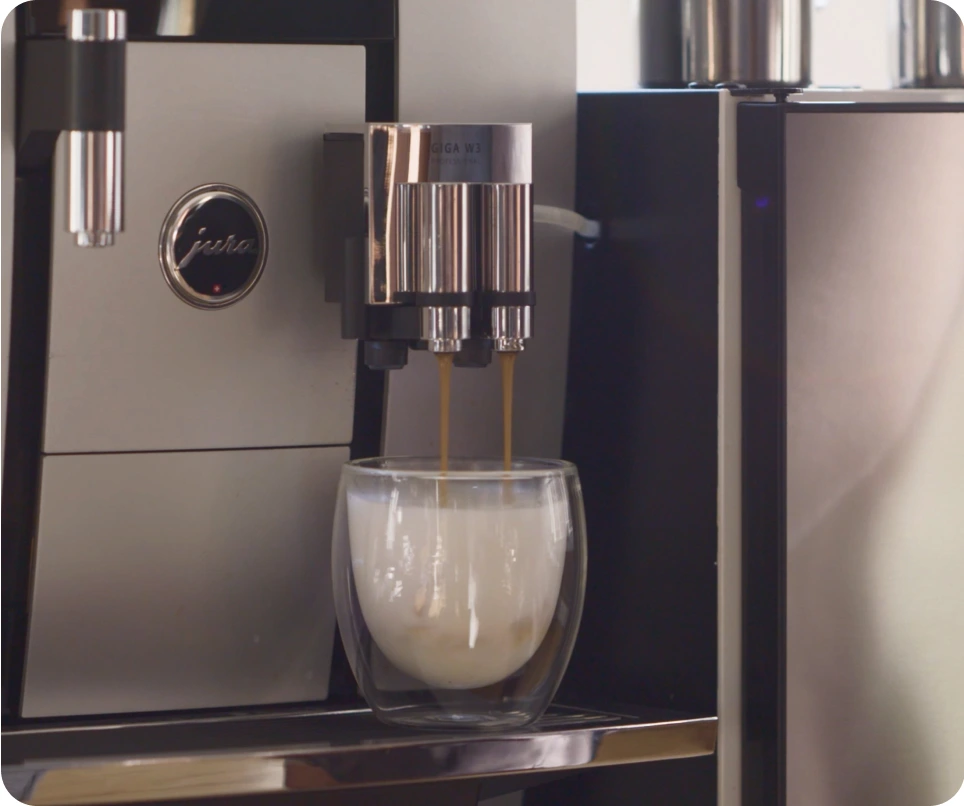
Break Coffee Co. outfits Manhattan amenity and shared-suite pantries with Swiss-origin grind-and-brew stations, schedules technician stops every week or every other week, textures fresh dairy at the steam wand, bills against counted cups, and starts accounts on a complimentary fourteen-day trial with no equipment purchase up front. Bean supply stays fully Arabica, drawn from Papua New Guinea, Brazil, and Colombia origins, roasted domestically, and staged to measured use.
Amenity-floor traffic is a visibility problem
On Hudson Yards amenity plates, coffee is on display. Guests notice long lines, empty ice, and half-filled cold brew taps during client tours. Stewards who only check hoppers miss the queue that formed during a lounge event. Amenity notes should capture peak line length, ice empty times before noon, and which zones pulled iced drinks earliest. Lounge traffic also starts earlier than a locked Midtown suite, so cup and ice capacity matters before ten.
Score queue readiness with the break room readiness quiz. Trial timing and ambassador roles are covered in the two week trial frequently asked questions. Sidewalk and tower context for New York City teams lives in local field notes.
Midtown shared pantry discipline is an ownership problem
Shared Midtown pantries fail when two tenants assume the other called for restock. Cups run low on Monday for one suite and nobody tops up until Thursday because the second suite still had lids in a drawer. The pantry looks stocked while the queue already formed. Shared-suite discipline here is less about lounge display and more about who initials the restock log and who escalates when oat runs out first.
Tenant A may run heavy iced espresso. Tenant B may stay hot through lunch. One order for both creates the wrong supply profile. Label every queue note with suite name, not only floor number. Without that label, week-two summaries blame the machine when the real gap is shared ownership of pantry supplies.
Compare equipment and billing language on the about page. Newer Manhattan angles stay near the top of the blog index.
What stewards should log on each footprint
Ask Hudson Yards amenity stewards for three queue facts: peak line length before client tours, last ice empty before noon, and whether lounge programming shifted demand earlier than desk traffic. Ask Midtown shared-pantry stewards for three different facts: which suite emptied oat first, which suite called for restock last, and the hour the shared bank first looked short on cups or dairy.
Those logs rarely match even when seat counts look similar. Amenity floors show demand tied to visitor traffic and lounge hours. Shared Midtown suites show demand tied to who actually owns the restock sheet.
For volume that outruns the floor plan, see floor plans versus real break room volume. For afternoon indoor lunch pressure on tower pantries, pair this piece with sustained heat and lobby pantry lines.
Restock windows that respect two queue stories
Vendor visits timed for a single Midtown morning miss Hudson Yards amenity ice pull when lounge traffic starts early. Amenity floors often need cup and ice attention before client tours begin. Shared Midtown suites may need a midweek ownership walk more than an extra morning bean drop.
Invoicing by cup count supports the split: amenity iced pours that rise earlier show up on the bill, and suite-labeled notes still let finance see which neighbor burned oat first. Leadership can then approve two restock rules instead of one blended Manhattan order.
Coach ambassadors in week one on suite labels and ice bin checks so survey complaints do not arrive before the first service visit. Bundled preventative maintenance keeps grinders and steam paths working when amenity peaks and shared-suite peaks land on different clocks.
Pilot where queue complaints already have a name
Start a free fourteen-day trial on the footprint where queue complaints already have a clear owner. On Hudson Yards that is usually the amenity pantry with early ice outs. On Midtown that is usually the shared bank where restock ownership is fuzzy.
Ambassadors should record iced versus hot share by hour, ice empty times, peak line length, and which suite or lounge zone drove each milk option. Week-two data then separates amenity queue peaks from shared pantry discipline.
Present renewal packets with Hudson Yards amenity notes in one appendix table and Midtown shared pantry notes in another. Show ice empty times, restock ownership, and milk option use on iced drinks. Spend already tracks those pours, which makes two restock rules easier to defend. Leadership that sees both labeled can fund earlier ice capacity on amenity plates and clearer ownership rules on shared Midtown suites.
Trial logging questions for week one sit in the two week trial frequently asked questions. Manhattan framing for appendix language is in local field notes.
Closing the queue gap
Hudson Yards needs earlier ice capacity and visible queue standards. Midtown shared suites need named restock ownership and suite-labeled supply notes. Keep logs tagged by footprint so finance cannot flatten unlike pantries into one Manhattan average.
Ready to pilot a restock plan that names amenity versus shared-suite rules? Use the Request a trial form on the New York City overview. Call 908-783-5995 or email walter.koehler@breakcoffeeco.com with freight details. Walter Koehler and the local team can set ambassador queue logging before week one starts.