May in Manhattan turns glass lobbies into greenhouses while finance floors still run cold enough for sweaters. Visitors stack beside security desks, couriers compress the mental picture of your reception, and the espresso line becomes the real lobby soundtrack, audible from the elevator bank, visible to tenants who never set foot in your break room but still form an opinion.
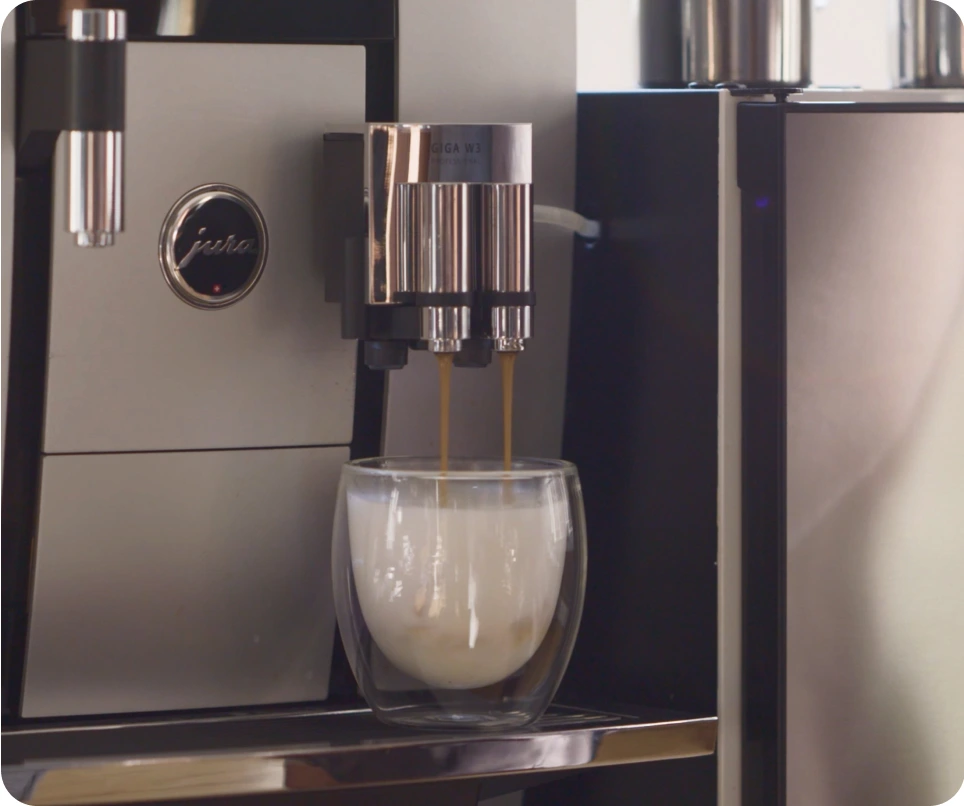
A pantry that relies on pods and a single drip carafe tells one story. A Swiss-style bar that pulls shots to order tells another, especially when line length is what employees measure before the nine o’clock block starts.
When lobby traffic shapes floor perception
Tenants in Midtown, Downtown, and the Hudson Yards band discover that break room performance shapes visitor impressions before anyone reaches a conference room. A wraparound line at eight-fifty-five looks like operational drag, even for employees who are not in that queue. Equipment sized for average occupancy fails on the week everyone returns from holiday-compressed schedules and the building feels louder than the plan suggested.
Break Coffee Co. installs whole-bean equipment that grinds per cup, steams real milk, and stays on weekly or biweekly service tuned to usage. Preventative maintenance is included so facilities are not opening machine-down tickets during the same window finance wants cup data for renewal season.
Billing and milk that match real use
Finance teams in New York compare every amenity to street-level alternatives employees walked past this morning. Cup-based billing shows adoption in pours instead of guessing from pod inventory, critical when leadership asks whether the program survives summer renegotiation.
Afternoon lobby and floor peaks arrive earlier than winter models assume. Ordering that still mirrors desk-only traffic runs out at the iced station while espresso sits idle. Recurring service keeps grinder calibration and steam wand performance steady. Flavor complaints arrive before error codes when calibration drifts under daily load.
Midtown towers host finance floors that want fast doubles and legal floors that host longer client mornings with more milk-forward drinks. One pilot floor should not pretend to represent the whole building unless you are explicit about which floor culture you measured. Dial oat and dairy during week one on the floor that actually pilots.
Related reading and readiness tools
Read the two week trial FAQ for timing questions. The break room readiness quiz scores readiness on service and spend clarity. Local field notes explain the sidewalk comparison employees make whether or not leadership likes it.
Pair this piece with May lobby traffic in Manhattan towers for lobby-traffic framing, and with lobby lines, espresso waits, and floor plans for floor-plan context. Measure line length and cups together when you brief property managers.
Freight, sustainability, and what to track
Manhattan installs fail when vendors treat freight like suburban dock-and-go. Share which elevator bank, which hours, and whether co-op rules require building staff present in the trial request on the New York City overview before equipment ships. Hudson Yards and classic Midtown towers differ in co-op rules, elevator banks, and visitor volume, benchmarks from one should not scale to the other without a labeled pilot.
Moving off single-use pods is one of the few upgrades that improves taste and reduces visible plastic. Towers publishing sustainability metrics get a daily behavior win employees use instead of abandoning for the cart on the corner.
Track peak line length and how quickly the line clears during trial weeks, not as vanity metrics, but as predictors of whether the program survives summer. Compare pours on client-heavy days versus internal-only days; adoption diverges by floor even in the same tower. Retention teams care whether employees use the perk daily, a line that clears before the nine o’clock block sends a different signal than one that makes people choose between coffee and being on time.
Pilot without blocking the lobby narrative
Recommend a two-week trial on one high-traffic floor before renegotiating portfolio contracts elsewhere. Train floor ambassadors who know freight rules, after-hours access, and which service elevator vendors should use. There is no contract, no upfront equipment cost, and no obligation after the trial.
When you are ready, use the Request a trial form on your New York City overview page so routing lands with Walter Koehler’s team. Call 908-783-5995 (+19087835995) or email walter.koehler@breakcoffeeco.com for tower-specific questions.