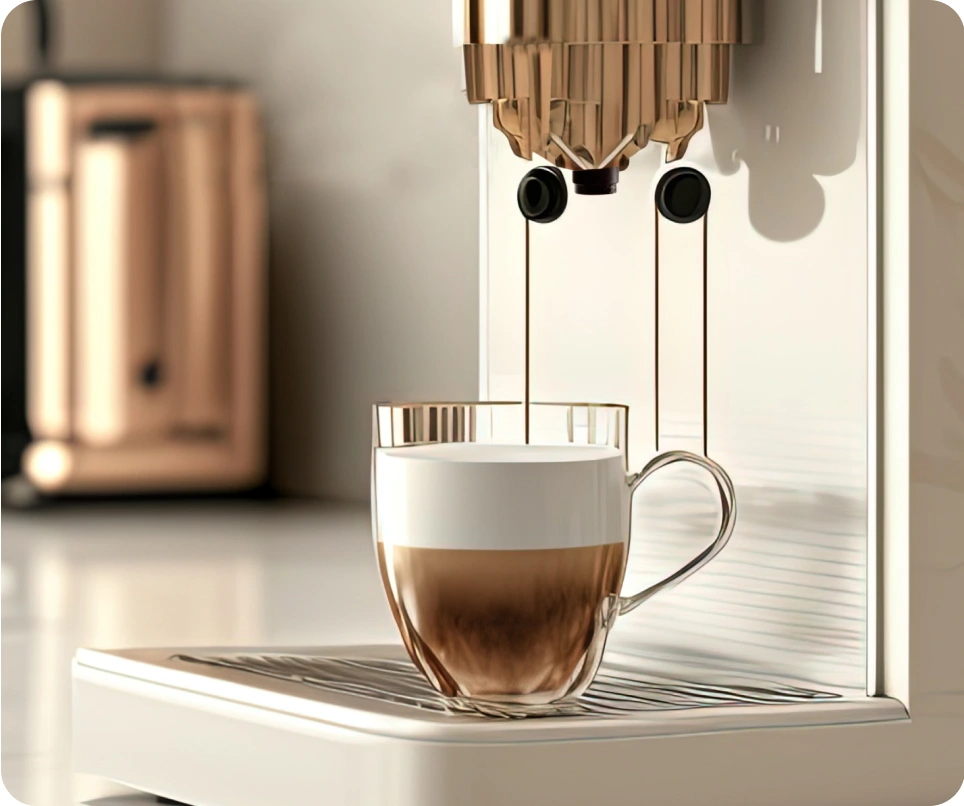
A coffee machine can sit ten steps from the team and still get ignored all day. Usually it is not because people do not want coffee. Employee coffee machine use drops when the setup feels annoying, the drink is disappointing, or the whole station seems like an afterthought. Fix those frictions, and usage often changes fast.
Make the coffee station easy to find and easy to reach
Convenience beats novelty every time. A machine with twelve drink settings will still lose to a plain setup in the right spot if that setup is easier to grab on the way to a meeting. If the machine is hidden near the supply closet or tucked behind a door, it stops feeling like part of the workday.
A hidden coffee machine is like a treadmill used as a coat rack. It exists, but not in a way that changes anyone’s routine.
Put it where the day already happens
Start with traffic patterns, not floor plans. The best location is usually somewhere people already pass without thinking: an open kitchen, a break area near desks, a lounge by meeting rooms, or a shared spot close to reception. That natural visibility matters more than almost anything else.
The trick is to place it near activity without creating a traffic jam. If people need to squeeze past chairs or block a hallway to pour a cup, the station becomes one more hassle. A spot with a little breathing room works better, especially during busy windows like 8:45 a.m. or the post-lunch slump.
Fix the setup around the machine
Even a good machine loses momentum when the setup around it is messy. Cups should be next to the machine. Lids, stirrers, sweeteners, syrups, napkins, and water should be within arm’s reach. If oat milk lives in one fridge and sugar packets live in a drawer across the room, you are asking people to do a scavenger hunt before their first sip.
Small details shape habits. When everything is right there, making coffee feels effortless. When anything is missing, people start looking elsewhere.
2. Improve the coffee before you promote the machine
No reminder sign or cheerful email can rescue bad coffee. If the drink tastes flat, stale, bitter, or burnt, people may try it once and then quietly return to the cafe downstairs. The fastest way to increase repeat use is to make the coffee worth repeating.
That starts with supplies, but it does not end there. Fresh beans, decent pods, a sensible roast selection, and a machine that actually brews properly all matter.
Start with fresher coffee options
Stale coffee kills enthusiasm fast. If your beans have been sitting too long or your pods are the office equivalent of emergency rations, swap them out first. Better inputs produce better cups. Simple.
A short lineup usually works best: a smooth medium roast for broad appeal, a stronger option for people who like a little punch, and decaf for late afternoons or caffeine-sensitive drinkers. Familiar options create confidence. Nobody wants to guess wrong before a 10:00 a.m. meeting.
Keep the machine clean and calibrated
Calibration sounds technical, but it just means the machine is set to brew correctly. Water temperature, coffee dose, shot timing, and drink size all need to be in the right range. If those settings drift, the coffee can taste weak one day and harsh the next.
Cleaning matters just as much. Old residue, milk buildup, and neglected parts make even good coffee taste tired. If people keep getting burnt espresso or watery coffee, the machine is teaching them not to trust it. Once that trust drops, employee coffee machine use usually drops right with it.
3. Give people enough choice without making it complicated
More buttons do not always mean more usage. In fact, the opposite is often true. If the machine looks like a dashboard full of mystery icons, people default to whatever feels easiest, or skip it entirely.
A short, smart menu works better. Give enough variety to cover the drinks people actually want, but keep the path to those drinks obvious.
Offer a few high-use drink types
Most offices do not need a sprawling cafe menu. Regular coffee, a stronger brew, decaf, and a few espresso-based options usually cover most demand. Think americano, latte, or cappuccino if the machine supports milk drinks.
Familiarity matters here. People tend to use the machine more when the choices feel recognizable at a glance. If someone can walk up and spot “coffee,” “strong coffee,” and “decaf” in two seconds, that person is far more likely to use it than someone staring at six vague specialty labels.
Add simple extras people actually enjoy
Extras make the station feel useful to more people, but only if those extras are practical. A couple of flavored syrups, dairy milk, a non-dairy option like oat or almond, and maybe hot chocolate can widen the station’s appeal without turning it into a gimmick.
Here is the thing: little upgrades often have an outsized effect. A bottle of vanilla syrup or reliable oat milk can be the difference between “nice to have” and “I actually use this every day.”
4. Make the machine dead simple to use
Confusion is expensive. If making one cup feels like programming a microwave from 2007, people will abandon the machine and head off-site or settle for whatever is fastest.
Good office coffee setups remove hesitation. People should know what to press, what to expect, and what to do when they are done.
Add quick instructions right at the machine
A small instruction card near the screen works wonders. Keep it friendly and brief: how to choose a drink, where to place a cup, how to refill water if needed, and where to toss stirrers or wipe spills. Most people do not need a manual. They need thirty seconds of clarity.
This also helps new hires and visitors. Instead of feeling unsure, they can make a drink without asking someone for help, which makes the whole station feel more approachable.
Reduce decision fatigue on the screen
If your machine allows custom settings, simplify them. Label popular drinks clearly. Move bestsellers to the top. Set sensible default sizes. Save favorite presets when possible.
The catch is that too much choice can feel like work. The easier it is to pick a drink quickly, the more often people will build it into the day.
5. Stock the station like you expect people to use it
An office coffee station should feel dependable. When cups run out by 9:30 a.m. or the beans are empty every other afternoon, people stop counting on it. Once that happens, getting them back is harder than keeping the station stocked in the first place.
Reliability is not glamorous, but it drives employee coffee machine use more than almost any poster or perk announcement.
Check supplies before the mid-morning rush
Timing matters. If the station gets checked at 11:45 a.m., that is already too late for the busiest part of the morning. Think about the moment around 9:15 a.m., when calendars fill up and people want a quick cup before back-to-back meetings. That is the moment your station has to be ready.
A fast morning check prevents the most annoying misses: empty cups, no lids, low beans, missing sweetener, or an empty milk fridge. People notice those failures immediately.
Assign ownership so refills actually happen
If everybody is responsible, nobody is. Give the station a simple routine and a clear owner, even if that owner just checks inventory and flags a vendor delivery. You do not need a complicated process. You need consistency.
Vendor support can help here too, especially if your coffee provider also handles syrups, milk planning, water machines, or regular resupply. The goal is simple: no chasing, no guesswork, no 2:30 p.m. surprises.
6. Create a coffee moment people want to repeat
Usage is not only about caffeine. It is also about rhythm and atmosphere. A coffee area that feels pleasant gets more repeat visits than one that feels sterile or neglected.
People return to places that feel easy and inviting. Office coffee is no different.
Make the space feel welcoming
You do not need a full renovation. A clean counter, decent lighting, napkins that are actually stocked, and room to set down a mug can change the feel of the whole station. If space allows, a small standing table or a couple of nearby seats can turn a rushed stop into a short reset.
Even one sharp detail can shift perception. A bright corner near a window at 2:15 p.m. feels very different from a dim machine wedged beside cleaning supplies.
Tie coffee into natural office rhythms
The easiest habits are the ones that already fit the day. Coffee can become part of a Monday kickoff, a mid-morning catchup, or an afternoon reset between meetings. That kind of light routine builds familiarity without forcing anything.
A station that sits unused as a random amenity gets overlooked. A station tied to moments people already have becomes part of how the day moves.
7. Let employees help shape the setup
People use shared spaces more when those spaces reflect real preferences. That is especially true with coffee. If your setup misses on roast, milk options, or drink style, you will see it in low usage.
Feedback helps you fix the right things instead of guessing.
Ask a few specific questions
Keep the questions practical. Ask which roast people prefer, whether dairy-free options matter, which drink types get used most, and what feels frustrating about the current setup. You are not looking for a giant survey. You are looking for useful signals.
Specific questions get better answers. “What do you want from the coffee station?” is too broad. “Would you use decaf more if it tasted better?” gets somewhere.
Act on one visible request quickly
Speed matters. If you ask for feedback and then nothing changes, interest fades. Make one noticeable improvement right away, like adding vanilla syrup, switching cup sizes, or bringing in a smoother medium roast.
That quick response sends a clear message: the station is being tuned for actual use. Once people see that happen, they pay more attention and engage more honestly.
8. Use light internal promotion, not forced hype
Sometimes the coffee setup improves, but nobody notices. A better machine arrives, fresh beans show up, non-dairy milk gets added, and the office still walks past like nothing changed. A little visibility helps.
The key is to keep it casual. Nobody wants a campaign. A reminder is enough.
Announce upgrades and new options
A short Slack message, a small kitchen sign, or a quick note in a welcome email can do the job. Mention what changed and why it is better: new beans, new syrup, easier drink presets, upgraded machine, faster brewing.
Keep the tone simple and useful. “The coffee station now has oat milk and a stronger roast” is much better than trying to sell the experience like a product launch.
Give people a reason to try it once
First use matters. If someone tries the machine once and likes it, repeat use becomes much more likely. Give a gentle nudge with a tasting setup on launch day, a sign that says “build your usual drink here,” or a short coffee break attached to a team meeting.
That first positive moment creates momentum. And momentum is half the battle.
9. Match the machine to the size and pace of your workplace
Sometimes the real issue is not placement or coffee quality. It is capacity. If the machine is too slow, too limited, or always acting up, people stop bothering with it no matter how nice the station looks.
Fit matters. A machine should match your workplace the way a good printer matches office demand. Quietly, reliably, without drama.
Check whether the machine can handle peak demand
Pay attention to rush windows. Early morning and post-lunch are the big ones in many offices. If a line forms after three people, your setup is undersized. Throughput simply means how many drinks the machine can make without creating a queue, and that number matters more than flashy features.
The same goes for refill needs. If someone constantly needs to empty grounds or refill water during the busiest part of the day, the machine is interrupting itself too often to stay convenient.
Upgrade when friction keeps showing up
Recurring friction is a sign, not bad luck. Frequent maintenance, limited drink choices, slow brew time, and constant restocking headaches all point to a mismatch between the machine and your office.
One more clue is easy to spot: people leaving the building for coffee even though a machine is right there. That usually means the current setup is not meeting the bar.
10. Track what gets used and keep adjusting
The best coffee station is rarely perfect on day one. It gets better because you notice what is happening and make small, smart fixes over time. That is how usage grows without overcomplicating the setup.
You do not need a giant reporting system. You just need to pay attention.
Watch the simple signals
Look at which beans run out fastest, which add-ons disappear first, which drinks people choose most often, and how often the machine goes down. Notice refill timing too. If decaf sits untouched but oat milk vanishes every morning, that tells you something useful.
Simple patterns are enough to guide better choices. You are not trying to study coffee culture. You are trying to make the station easier to use and easier to trust.
Try one change at a time
Resist the urge to change everything at once. Move the machine, swap the coffee, add syrup, or simplify the menu, but do one thing at a time so you can tell what actually helped. Small tests beat big overhauls here.
If you want a clean place to start, fix the easiest friction first: make the station visible, stock it properly, and improve the coffee itself. That one move often does more for employee coffee machine use than any flashy upgrade.
- Disclaimer: This article is for general informational purposes only. It is not professional advice, a quote, or a service agreement. Conditions at your home or property may differ; contact a qualified professional for an on-site evaluation before making repair, safety, or spending decisions.