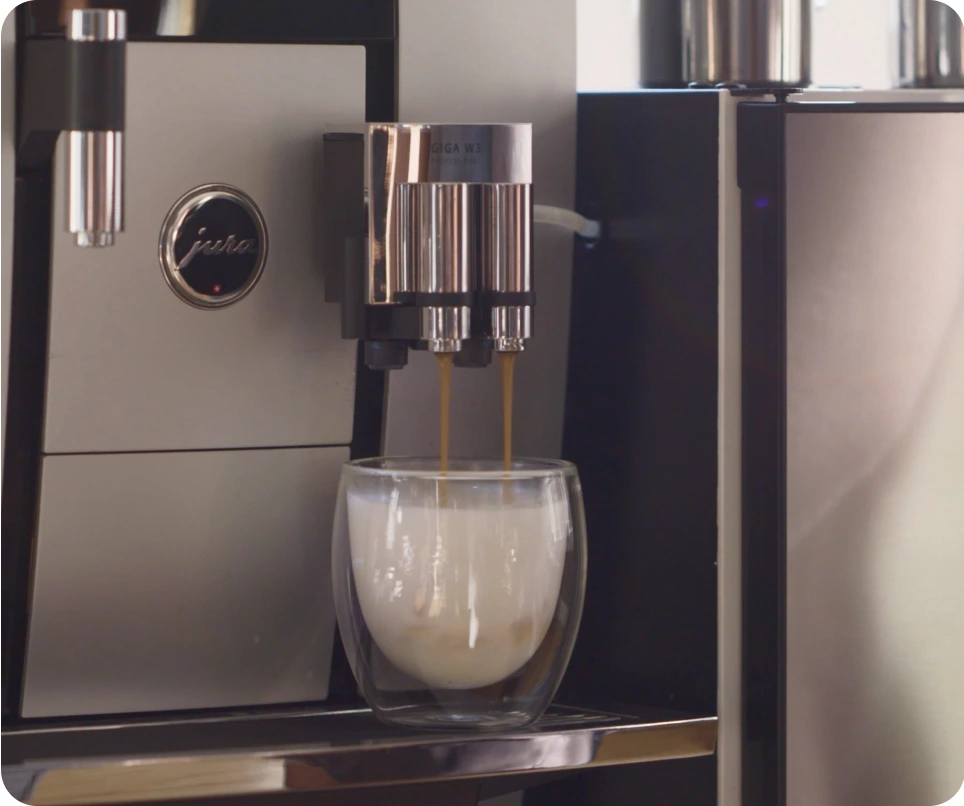
South Florida May is not a gentle warmup. Afternoon air already carries stickiness into Broward and Palm Beach lobbies, which means condensation inside refrigerators and ice bins shows up faster than leadership expects. A break room that smelled fine in March can smell tired by May if milk handling, drip trays, and ice hygiene drift—employees notice before facilities tickets do.
Humidity changes the operational story: every spill is more visible, every cleaning interval is more honest, and every refrigerator works harder.
Condensation as a daily facilities variable
Tower and suburban campus footprints along I-95 and the downtown Fort Lauderdale band see HVAC and entrance traffic combine to stress cold storage early. Milk turns faster when ordering habits still assume winter tourist-season patterns. Ice bins that looked acceptable in cooler weeks need recurring attention once humidity stays afternoon-high.
Swiss-style whole-bean equipment with real milk steaming includes preventative maintenance in the model—not a bolt-on chased after complaints. Cup-based billing helps property teams align spend with adoption across towers and campuses instead of averaging pods across dissimilar tenants.
Ice bin hygiene beats Friday heroics
Heroic Friday wipes fail when nobody owns the schedule between service visits. Recurring weekly or biweekly maintenance tuned to cup volume keeps grinders calibrated, steam wands clean, and drip trays from becoming the office story. Wellness programs do not fix flavor if employees abandon the room for the café downstairs.
Milk handling under load
Oat and dairy splits should be dialed during a pilot week so the first busy humid period reflects real usage, not setup friction. Pitcher habits and refrigerator discipline matter as much as bean quality when afternoons stay sticky.
Pilot where traffic is loudest
Recommend a two week trial on one floor or one building before renegotiating pantry contracts elsewhere in the portfolio. Train ambassadors who know freight and which loading entrance your vendor should use.
Read the break room readiness quiz for a self-check on service cadence and spend clarity. The two week trial FAQ covers timing and ambassador roles. Local field notes frame how South Florida teams think about adoption when street-level options are always close.
Use the Request a trial path on your South Florida overview page. Call 954-734-5710 (+19547345710) or email tom.dowd@breakcoffeeco.com for routing and dock questions.
Moving off pods when plastic piles up fast
Humidity accelerates how fast visible waste annoys people. Single-use pods and sleeves stack quickly in high-traffic pantries. Whole-bean equipment improves taste while cutting daily plastic—useful when ESG reporting asks for changes employees can see without a separate campaign.
Downtown Fort Lauderdale versus suburban campus fridges
Tower lobbies and suburban campus pantries stress cold storage differently—entrance traffic and walk-in volume change how fast milk turns. A pilot should name building type on the South Florida overview so ordering and service intervals match your fridge reality, not a coastal template from another state.
Afternoon thunderstorms and entrance humidity
Quick afternoon storms spike lobby humidity even when the sun returns an hour later. Ice bins and drip trays that were fine at lunch need attention by 3:00 p.m. when traffic is still high—recurring service beats a sign that says “please wipe.”
What to measure in May
Track milk discard alongside cup counts—divergence often means refrigerator discipline or over-ordering, not preference. Note which afternoons stress ice and milk hardest; service rhythm should follow pours, not a generic calendar. Compare adoption before and after long holiday weekends when tourist-adjacent traffic mixes with office traffic.
Recurring service as hygiene infrastructure
In South Florida, hygiene is not aesthetic—it is whether the break room stays credible through May. Equipment that grinds per cup, billing tied to adoption, and maintenance that arrives before condensation turns small neglect into loud complaints—that is how offices keep coffee dependable when humidity wins the afternoon.
Week-two pours before summer pantry reviews
Property teams reviewing summer pantry contracts should enter those meetings with week-two cup data from a humid May week—not March averages.
Tom’s team and tower dock rules
Call 954-734-5710 before you book if your tower has co-op freight rules that change in May—first delivery success determines whether week one is training or recovery.
Palm Beach tower lobbies and afternoon sun
Palm Beach tower lobbies can heat-load refrigerators faster than inland Broward campuses—building type belongs in your trial notes on the South Florida overview so ice and milk intervals match afternoon sun, not a generic coastal template.
Hygiene is adoption infrastructure in May
Employees do not separate “clean ice” from “good coffee” when humidity makes every spill louder. Recurring service is how you keep both—weekly or biweekly rhythm tuned to cups, not a poster campaign about wellness. Cup-based billing aligns spend with use so property teams are not funding beans for a room people avoid because the bin looked tired by Wednesday.
Trial on the floor that already smells the humidity
Pilot the floor where refrigerators already work hardest in May—usually high-traffic tower pantries—so week-two data includes honest condensation stress, not a quiet wing that misleads ordering all summer.
Read the two week trial FAQ before summer pantry reviews—week-two pours from a humid May week beat March assumptions every time. If ice bins looked fine in March and tired by May, your pilot proved why recurring service is not optional here.
Train ambassadors in week one to flag condensation on refrigerators before it becomes smell—humidity makes small neglect loud.
Use the Request a trial path on the South Florida overview and name the floor where May humidity already stresses refrigerators—week-two data should reflect that stress test. Whole-bean equipment with recurring service beats a May wipe schedule that nobody owns when afternoons stay sticky.
Call 954-734-5710 when co-op freight rules change in May—first delivery success determines whether week one is training or recovery.
Email tom.dowd@breakcoffeeco.com with tower dock rules before equipment ships in May.
Broward and Palm Beach employers need coffee programs that treat cold chain and ice like part of the product, not afterthoughts once the machine is installed.