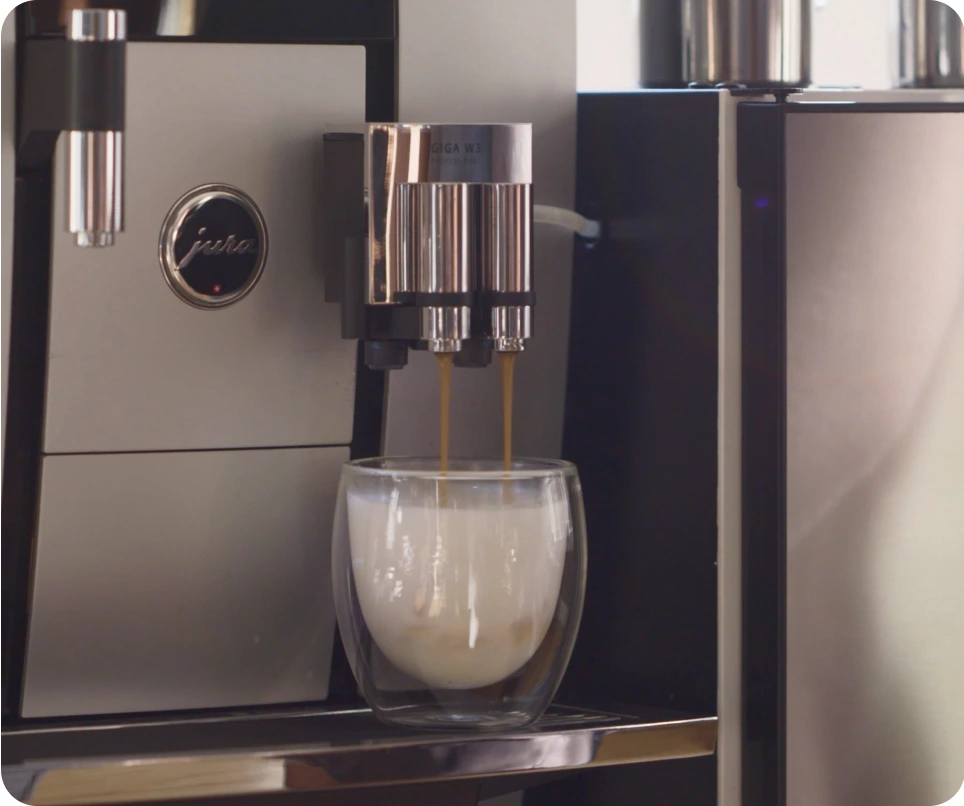
There is no single answer for every office when it comes to a shared guest and employee coffee experience. The right approach depends on what is already there, what has changed, and what matters most in daily use. Charlotte’s banking, professional-services, and real-estate offices often use hospitality as part of the client experience. That local context is useful, but the conditions at your property or workplace still guide the recommendation.
A trial or service review is most useful when it captures actual behavior. With a shared guest and employee coffee experience, that means looking at reception flow, self service clarity, and drink speed instead of relying only on comments or estimated attendance. What people say they want can be helpful, but repeat use and busy-period performance usually give the office team a clearer operating picture.
Why the Details Matter
It is worth looking beyond the machine at cup presentation, employee queues, and cleaning visibility. These details can make a small station feel organized or make a large station feel difficult to manage. The best setup uses the available space well and gives your office contact a simple, repeatable routine.
A common shortcut is making the guest station attractive but too slow or complicated during busy meetings. It can sound reasonable because it gives the conversation one simple answer, but it may not reflect the way your office is actually used. Looking at the full situation first can confirm that the simple option is enough when it truly fits. It can also prevent money and time from being spent on a change that does not address the original concern.
When reviewing a shared guest and employee coffee experience, a short station check is usually enough. Record when the pantry is busiest, what employees choose repeatedly, and where the routine becomes awkward. Photos of the counter and storage area can also help when layout or supply space is part of the concern. You do not need a formal report. A few clear notes or photos related to reception flow, self service clarity, and drink speed can make the first conversation far more useful.
The station should be reviewed when people are actually using it. Morning arrival, meeting breaks, shift changes, and afternoon demand can create very different patterns. Watching those windows helps us adjust equipment or supplies for real use instead of relying on a headcount estimate. When reviewing a shared guest and employee coffee experience, keep any follow-up tied to a clear change involving cleaning visibility.
What a Helpful Visit Should Cover
Ultimately, you are deciding how to balance presentation, choice, and dependable daily operation. One option may address the immediate need, while another may coordinate work that would be harder to revisit later. The better choice depends on your priorities, timing, and how long you expect the current setup to remain in use. The explanation should make those tradeoffs clear without assuming the larger option is automatically the right one.
A few plain questions can keep the conversation useful. Ask how the condition around reception flow affects the recommendation, whether anything involving self service clarity needs to be handled before the work, and what you should know about cleaning visibility afterward. The answers should connect each detail to the result you care about.
Sometimes the most useful finding is that one part of the coffee program is not contributing to the concern. That can remove an unnecessary step and make the remaining recommendation easier to understand. Helpful service should reduce uncertainty, not create a new worry around every component or area.
During the service review, we keep the conversation centered on the reason you reached out. We will explain what we can confirm, what may need another step, and how the recommendation connects to your everyday use of the office. The goal is for you to understand the plan without needing technical vocabulary to evaluate it.
Helpful advice about a shared guest and employee coffee experience should leave you with fewer questions, not a longer list of things to worry about. By keeping the discussion tied to your office, your priorities, and the conditions that are actually present, we can recommend a next step that feels practical rather than generic.