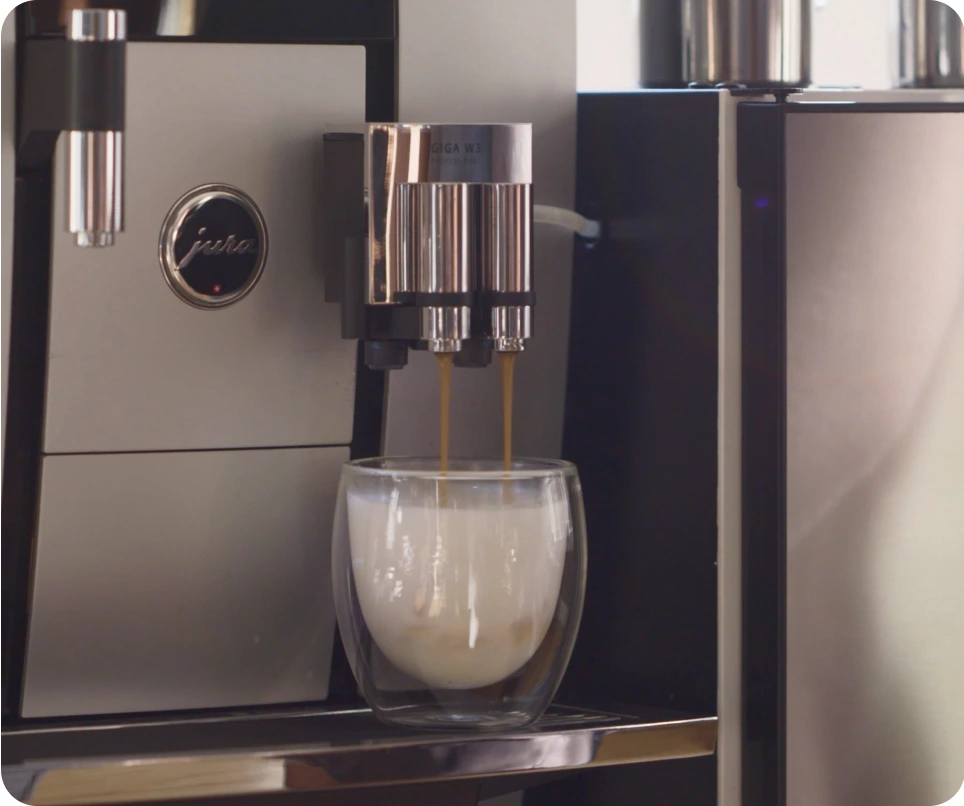
Charlotte May opens patios along South Tryon while trading floors inside Uptown towers still run on deadline time. Coffee is not a soft perk in that mix, it is the informal signal that a floor is staffed, cared for, and ready for the next client block. A line that wraps at 9:05 looks like broken operations even when occupancy spreadsheets look fine. Property teams managing multiple banking and professional services tenants feel that gap first in complaints, then in renewal conversations.
Break Coffee Co. helps Charlotte towers with whole-bean espresso, real milk, cup-based billing, and a free two-week trial. Floor stewardship, not heroics from a single office manager, is how tower coffee stays finance-friendly in a month when every vendor competes for the same freight elevator.
Trading intensity versus amenity floors
Uptown footprints often stack dissimilar tenants: capital markets floors with compressed mornings, law and consulting suites with client-driven afternoons, amenity levels that see tour traffic. Equipment sized for an average tower day fails on the floor where markets open loud. Whole-bean bars grind per cup so a 9:00 surge does not leave a 10:30 carafe tasting like bitterness and regret.
Cup-based billing lets owners compare adoption across floors without pretending every suite drinks at the same pace. Preventative maintenance is included so facilities are not chasing machine-down tickets during the same week leadership asks for pantry ROI.
Ambassadors who already know the building
Pick two people per pilot floor who understand freight receiving, after-hours access, and which dock entrance your vendor should use. They are not baristas; they are early warning for drip trays, milk waste, and grinder sounds before those issues become Monday tickets for building engineering.
Ambassador training during a two-week trial covers milk culture, oat versus dairy splits, pitcher habits, when to flag service, so the first month does not depend on a facilities director becoming a part-time technician.
Milk waste as a finance signal
Over-ordered milk on a light attendance day and empty pitchers on a heavy day both show up in waste logs before they show up in cup counts. Steamed milk quality matters on floors where clients see the break area during a walk-through. Recurring calibration beats a Friday wipe schedule that everyone intends to keep and nobody owns.
Sustainability visible to tenants and tours
Moving off single-use pods removes plastic sleeves from a daily ritual employees photograph and complain about. If your tower publishes ESG metrics, whole-bean equipment is a tangible upgrade that improves taste while reducing visible waste, useful in May when tenants compare amenities ahead of summer renewals.
Start with a two-week trial on one honest floor
Pilot where morning traffic is already loud, often a single trading-adjacent floor or a client-heavy professional services cluster. Capture cup counts during the trial so annual spend projections use data instead of pantry folklore.
Read the two week trial FAQ for cadence questions. The break room readiness quiz helps score service clarity and employee sentiment before you book. Local field notes describe how Charlotte teams benchmark office coffee against street-level options on Tryon and Trade.
Submit through the Request a trial form on your Charlotte, NC overview page. Call 704-258-6494 or email bryan.zeiss@breakcoffeeco.com for routing, dock rules, and security-friendly arrival windows.
Client walk-throughs and the break room in frame
On floors where clients pass the pantry en route to a conference room, grinder noise and line length are part of the first impression. Equipment that pulls shots to order signals staffing and care; a pod drawer that rattles signals the opposite. May is when many tenants refresh amenity stories ahead of summer, coffee is one of the fastest upgrades that does not require construction.
Read the break room readiness quiz before you book if you are still scoring whether service cadence is clear to employees.
How property teams should compare floors in May
Line length at peak matters as much as cups per day: a floor that clears the machine in three minutes sends a different signal than one where people abandon the queue. Track waste and cup trends together, divergence usually means ordering habits, not employee preference. Share peak windows when you request a trial so service rhythm matches the floor that actually trades mornings.
Stewardship beats one-off upgrades
A shiny machine without recurring service becomes another tower story about amenities that looked good in the brochure and tired by August. Book the two week trial FAQ window early enough in May that week-two data lands before June renewal conversations. Local field notes help when you present pilot cup data to ownership.