Afternoon dehydration on Front Range campus floors drives a second coffee wave that seat maps never capture. Facilities in Boulder Denver Metro discover the gap when one vendor window serves unlike footprints and only one building looks satisfied. Morning hybrid peaks tell half the story; by two o’clock, teams who skipped water at lunch want espresso and cold brew before the afternoon block ends.
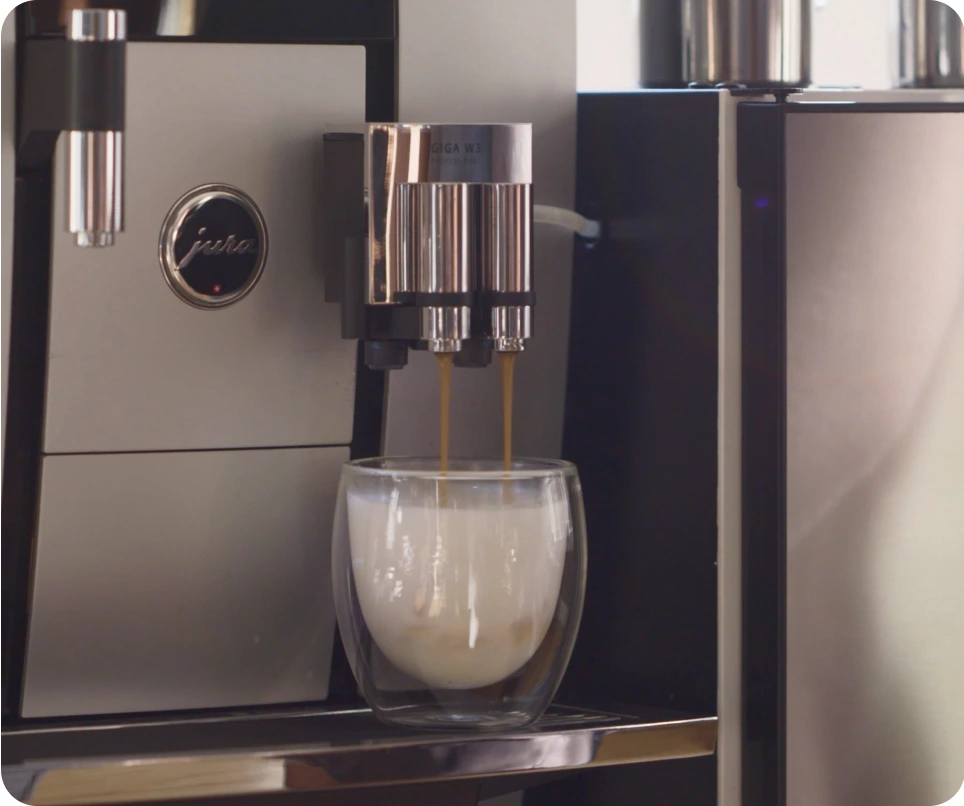
Break Coffee Co. installs Swiss-style whole-bean equipment that grinds per cup, steams real milk, and stays on weekly or biweekly service tuned to measured use. Cup-based billing ties spend to real pours so finance can defend break room lines when leadership asks whether the pilot captured afternoon demand, not just morning arrivals.
Why the break room empties before finance sees the pattern
Published in-office percentages on the Front Range ignore how altitude and building type reshape daily curves. Campus-style pantries show the gap in afternoon queue load first when hydration needs stack on top of regular coffee breaks. Bundled preventative maintenance keeps grinders running when peaks arrive in waves seat maps flatten.
Read the break room readiness quiz for a quick readiness score. The two week trial FAQ covers ambassador training and week one versus week two expectations. Local field notes frame how Front Range teams compare office coffee to what they drank in larger metros last season.
Equipment, beans, and milk that match real traffic
The proprietary 100% Arabica blend, sourced from Papua New Guinea, Brazil, and Colombia and roasted in the United States, is replenished on a rhythm matched to real pours so flavor stays stable when daily curves distort seat maps. Moving off single-use pods reduces visible plastic and improves taste in one upgrade employers can cite in sustainability updates.
Recruiting decks promise barista-level milk texture while pantry orders still assume one dairy SKU. Split training during week one of a free two-week trial, no contract required, prevents survey friction before error codes appear. Filter service and water cooler checks matter on dry afternoons when hydration demand exceeds morning projections.
Pilot the floor that sees real traffic
Start trials where Front Range peaks are loudest: the wing finance averages into a flat line. Ambassadors document line length by time block so week two data survives renewal review.
Use the about page when stakeholders ask how service, billing, and equipment differ from pod programs they are replacing. The blog index keeps newer field notes above older pieces so facilities can scan recent Front Range angles quickly.
What facilities should measure during trial weeks
Track peak line length when morning and afternoon windows overlap on one in-office day. When you present pilot data during early summer planning, separate campus from tower traffic in the appendix so renewal conversations stay grounded in real use.
Cup-based billing makes pilot data easier to defend because spend follows measured pours instead of dense floor seat assumptions that hide real peaks. Share time blocks and floor type when you request a trial on the Boulder Denver Metro overview so week one service aligns with real traffic on your address, not defaults copied from another wing.
Heat weeks and stewardship habits
When sustained Front Range heat keeps teams inside at lunch, afternoon lines stack on morning peaks finance still looks like one curve. Floor stewards who log empty milk times and peak line length give the local team context spreadsheets hide. Document which entrance security prefers for vendor arrivals.
Internal surveys spike when milk runs out at the real peak, not at the peak finance modeled. The break room readiness quiz helps HR and facilities agree on readiness before pilots start. Time block labels keep week two summaries accurate when afternoon demand exceeds morning projections.
Closing the gap before renewal
Facilities teams that treat break room coffee as operational infrastructure, not a break fix, see fewer surprise outages when afternoon demand spikes and hybrid anchors move without warning. Label arrival windows on trial forms so week one service matches how your floor actually runs. Review local field notes when hiring market context helps explain why peaks shifted from last season.
When you are ready, use the Request a trial form on your Boulder Denver Metro overview page. Call 720-772-8727 or email richard.jones@breakcoffeeco.com for floor type and receiving questions. Richard Jones and the local team can walk through dock access and ambassador setup on your floor before week one service begins.