Lower Downtown Denver is full of loft conversions running on a single freight elevator that everyone books: movers, caterers, furniture vendors, and the coffee cart alike. When that lift is spoken for in the afternoon, restock slips past the exact hour the pantry peaks, and the bank empties before the cart can reach the floor.
This is a freight window problem tied to one shared lift, not a retail-versus-campus cold drink split. The constraint is not which neighborhood a floor sits in, it is how one slow elevator forces every delivery into the same narrow slots.
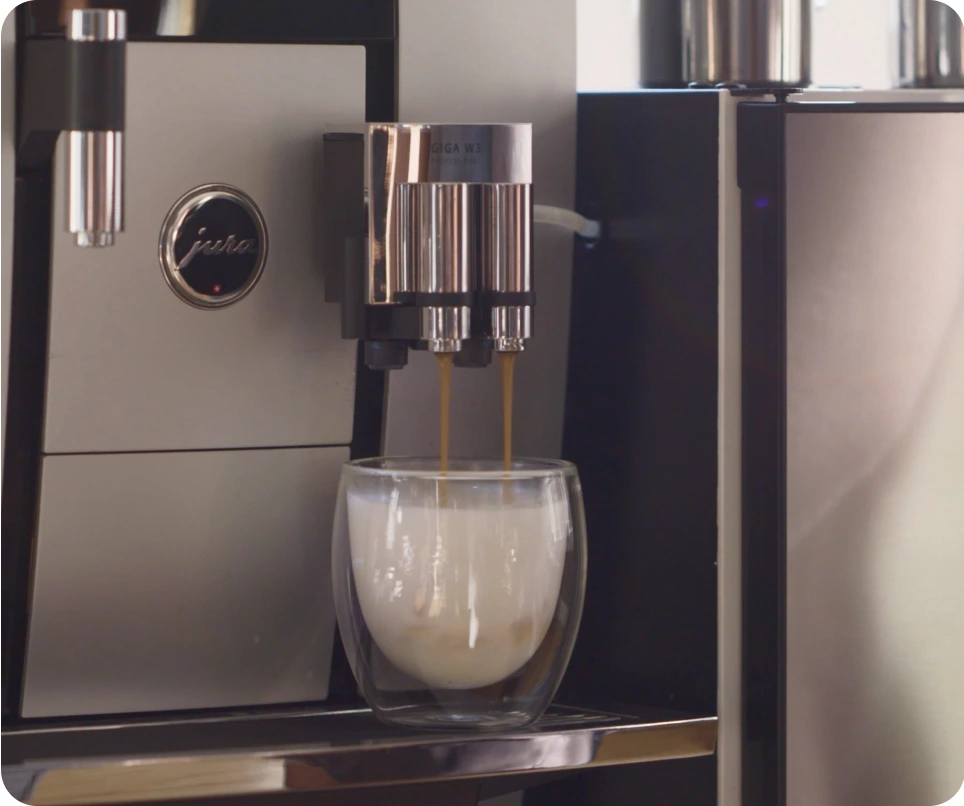
Break Coffee Co. installs Swiss bean-to-cup machines on Denver floors, keeps technician visits on a weekly or biweekly cadence, steams real dairy at the wand, and invoices only on cups poured. The roast is fully Arabica, built from Papua New Guinea, Brazil, and Colombia lots and finished on United States equipment.
Why one lift reshapes restock
In a converted loft, the freight elevator is the whole logistics plan. A vendor booked for two o’clock can lose the slot to a furniture delivery that ran long, and the coffee restock waits behind it. By the time the cart reaches the floor, the afternoon crowd has already pulled the pantry down.
Occupancy data will not warn you about this. A floor that looks steady on badge counts can still empty its bank because the delivery that was meant to cover the afternoon sat in the loading area waiting for the lift. The bottleneck is vertical transport, not headcount.
Score how your building handles freight timing with the break room readiness quiz. Pilot timing questions live in the two week trial FAQ, and Denver context on loft logistics is in the local field notes.
Log the lift, not just the pour
Ask ambassadors to note two timestamps on delivery days: when the freight window was booked and when the cart actually reached the floor. Pair those with the afternoon peak hour and you can see exactly how often restock lands after the crowd instead of before it.
The gap is where the waste and the shortages both live. A cart that arrives twenty minutes late on a peak day misses the pour it was meant to cover, and the floor reads as under-ordered when the real issue was the lift. Timestamps turn that into a fixable schedule problem.
Name the cause on every slip. A booked-then-bumped window, a long move-in, and a caterer holding the lift are different reasons the cart was late. Logged apart, they show where to renegotiate the freight schedule rather than just adding stock.
Restock rules matched to a shared lift
A cadence that ignores the elevator will keep missing the peak. LoDo floors on a single lift often need the coffee window booked ahead of the afternoon surge and protected against bumping, or a staged buffer left on the floor so a late cart does not empty the bank. The plan has to respect the lift, not just the order size.
Cup-based billing supports that because spend follows measured pours rather than a flat guess. When the afternoon peak is real, the invoice shows it; when a late cart forces a buffer, the numbers explain why. Facilities get a delivery plan they can defend instead of a recurring surprise outage.
See how equipment, billing, and service differ from pod programs on the about page, and keep newer Denver pieces near the top on the blog index.
Pilot the floor where the lift is the bottleneck
Place a free two-week trial on the loft floor that loses the most restock time to the freight elevator, not one with easy dock access. Ask ambassadors to log the booked-versus-actual arrival gap and the afternoon peak so week-two summaries show why timing, not volume, drove any shortage.
Amenity talk promises a good cup through the afternoon, and that breaks when the bank is empty at three because the lift was tied up. Getting the freight window right is what keeps the drink available on the days the building is busiest.
Preventative maintenance rides with the cadence on Denver accounts so a machine is not failing on a day the lift is already jammed. Volume-matched service beats a break-fix visit that has to queue for the same elevator.
Presenting the timing without blur
At renewal, put booked-versus-actual freight times in one appendix table and afternoon peak pours in another. Include the lift slip, empty-bank hours, and building type. Metered invoices back those tables because spend already followed the real afternoon curve.
Keep the lift problem out of a single Denver average. A loft on one freight elevator and a floor with open dock access need different restock rules, and only timing data lets facilities fix the slip where it actually happens.
Revisit the break room readiness quiz when facilities and human resources disagree on what the afternoon bank should hold on a heavy delivery day.
Closing the freight gap before renewal
Treat the shared freight elevator as the real constraint on afternoon restock, not the order quantity. Log the lift, name the slip, and let cup billing carry the timing story into numbers finance can defend at renewal.
When you are ready to test a lift-aware restock plan, use the Request a trial form on the Boulder Denver Metro overview. Call 720-772-8727 or email richard.jones@breakcoffeeco.com with building type, freight elevator rules, and the afternoon window that matters most. Richard Jones and the local team can set ambassador timing logs before week one starts.