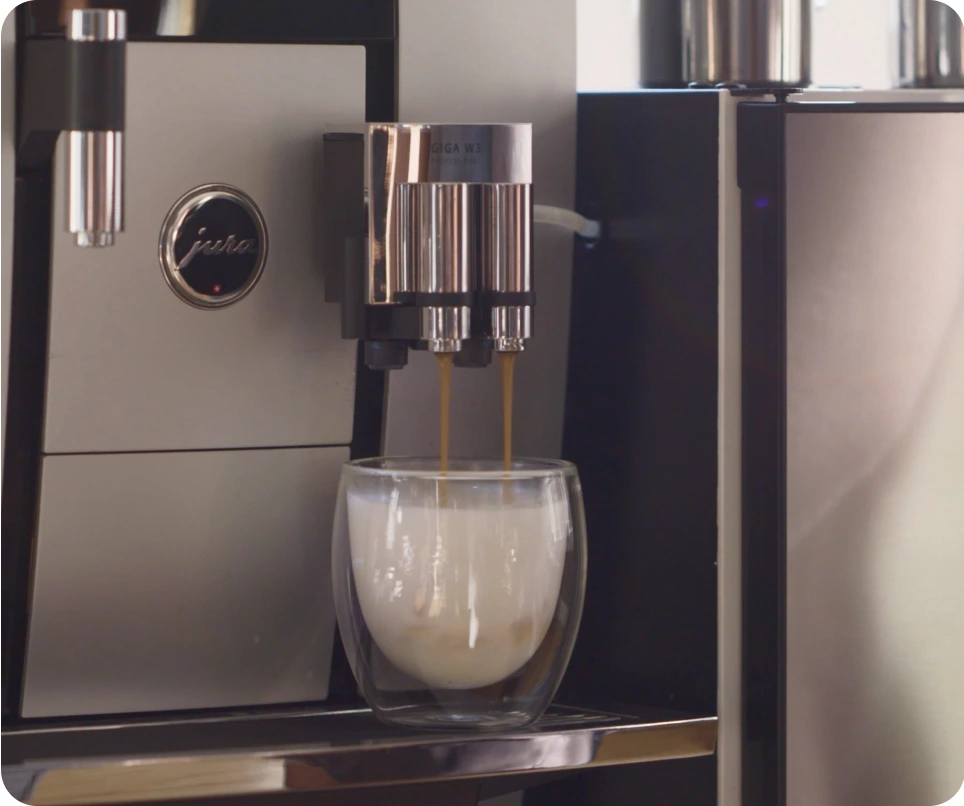
Do not end a Denver coffee trial with one cup total and a yes or no. Split what people drank and what got thrown out. A Boulder campus and a LoDo floor can post the same weekly cups and still need different milk, cold brew, and ice.
Dry air, seasonal drink mix, and split attendance change the pantry through the year. A quiet trial week gives you a clean install and a bad restock plan. Cherry Creek, Boulder, and downtown Denver traffic will expose that the first busy Monday.
Our Denver and Boulder program offers a free two-week trial so you can measure adoption before you lock service. Use it to capture drink mix and waste, not only volume.

Put the trial on a floor that actually drinks
Where to run an office coffee trial on a Boulder campus covers placement. This post is about what to write down after the machine is in the right place.
Choose the floor with ordinary traffic, visitors, or a heavy meeting schedule. Service access still has to work. If building rules force a quieter floor first, say so early and plan a second measurement week on the busy floor before you set service.
Skip holiday weeks and planned closures when you can. Both trial weeks should include ordinary workdays.
Keep one short mix-and-waste record
During the trial, keep one simple station record covering cups by time, espresso versus milk drinks, cold brew, ice, unused product, queues, machine alerts, and attendance. The record does not need names of employees. A few checks at consistent times are enough.
Note attendance beside consumption so a low-use week does not become the standing order. Photograph the station layout. Record any machine message before clearing it. Note when supplies run low.
Include product discarded at the end of the day and the reason it was unused. That is how you tell a menu mismatch from overstocking or an unusual attendance week. A Denver office should keep that record with the local station plan, not with assumptions from another market.
The two-week trial FAQ covers the commercial basics. The local job is to fill the sheet.
Split hot and cold on purpose
Espresso and milk drinks often carry the morning. Cold brew and ice usually rise later when meetings stack and people stay on campus. We already wrote that cold brew and espresso do not peak at the same time on Front Range campuses. Cherry Creek retail floors versus Boulder campus cold drink mix shows the same split across building types.
Tell us what people order during the trial so we stock the right machines and supplies. A humid afternoon or a visitor lunch can shift the mix while total cups stay flat.
Water belongs on the sheet too. If the pantry is the hydration stop, cups and lids are demand, not leftovers.
Label events so waste has a cause
Training days, recruiting, board meetings, and client hosting often decide whether the station feels undersized. They also create leftover product the next morning. Mark those days.
A recruiting week that drains alt milk is not proof you need that much every Tuesday. A quiet Friday that leaves unused cold brew is not proof the floor never drinks it. The reason line on the waste note is the useful part.
The office contact does not fix the machine. They do report low milk, a machine alert, a locked door, and schedule changes before our truck shows up. The break room readiness quiz is a quick ownership check.
Map access against the later peak
Security, parking or loading, freight, pantry access, service window, and a backup contact still belong in the install packet. On multi-building campuses, afternoon restock risk is often worse than morning risk. Docks close. Badges expire. The only freight window can sit after cold brew has already run out.
LoDo freight elevator windows and afternoon restock peaks are a downtown parallel. Write the route before install day. Keep it current during the trial.
End the trial only after mix and waste show up
At the end of two weeks, look at total cups, drink mix, peak hours, visitors, waste, cleanliness, access problems, and whether the office owner kept notes. Ask if espresso and cold brew peaked in the same hour. Ask what got thrown out and why.
If the trial only produced a cup total, keep measuring. Do not guess. A program approved on an easy week often needs an emergency restock the first time the campus fills up.
Keep a one-page operating plan with the busiest periods, normal drink mix, placement, restock rhythm, cleaning jobs, service window, access instructions, and any open issue. Separate the normal program from optional additions such as extra cold brew, more ice, another floor, or event support.
Hybrid attendance is the next operating question. Anchor days change restock even when the mix looks right. Measure those days the same way you measured drinks.
Browse more local posts on the Denver and Boulder blog, start from the main Break Coffee Co. site, or reach our Front Range team through the contact section. For Denver, Boulder, and surrounding business corridors, call (720) 772-8727 or email richard.jones@breakcoffeeco.com.