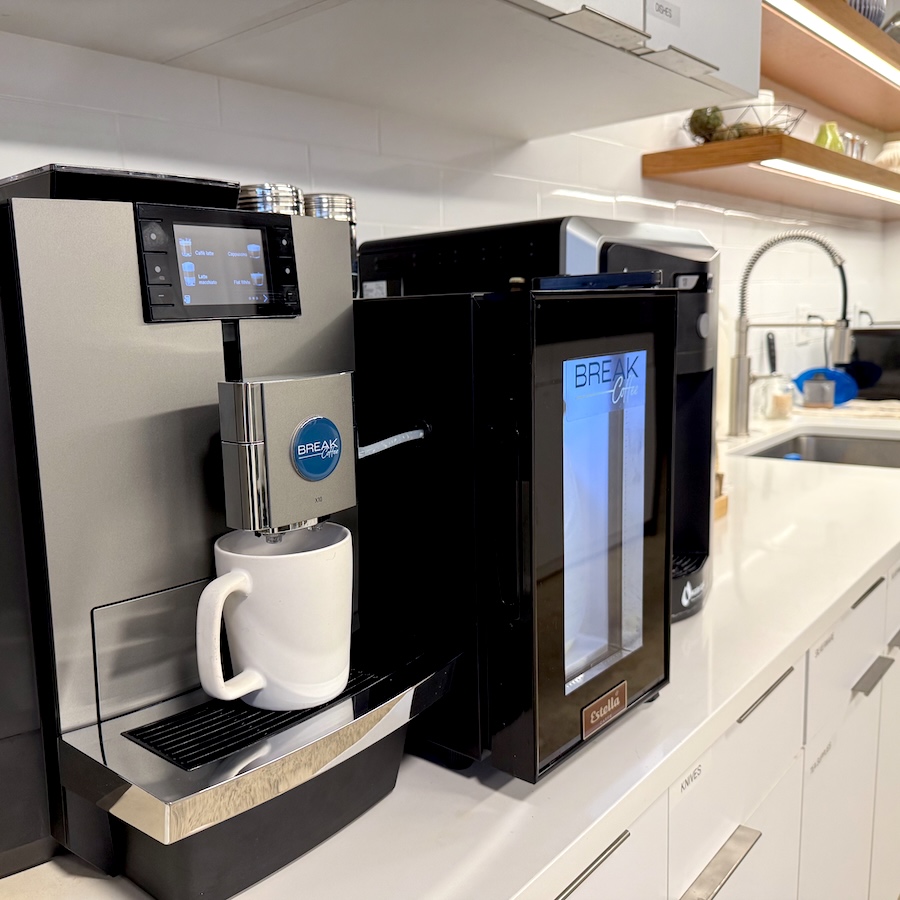
There is no single answer for every office when it comes to servicing coffee equipment in a Chicago high-rise. The right approach depends on what is already there, what has changed, and what matters most in daily use. Downtown Chicago buildings can add multiple layers of access between the loading dock and the coffee station. That local context is useful, but the conditions at your property or workplace still guide the recommendation.
A trial or service review is most useful when it captures actual behavior. With servicing coffee equipment in a Chicago high-rise, that means looking at freight elevator booking, loading dock windows, and security credentials instead of relying only on comments or estimated attendance. What people say they want can be helpful, but repeat use and busy-period performance usually give the office team a clearer operating picture.
The next layer of servicing coffee equipment in a Chicago high-rise is the work around the machine. Think about water shutoff access, delivery staging, and after hours restrictions. These details determine whether the station remains orderly between visits and whether employees can find what they need without opening every cabinet or asking the office team for help.
A common shortcut is treating service access as an afterthought after equipment has been selected. It can sound reasonable because it gives the conversation one simple answer, but it may not reflect the way your office is actually used. Looking at the full situation first can confirm that the simple option is enough when it truly fits. It can also prevent money and time from being spent on a change that does not address the original concern.
When reviewing servicing coffee equipment in a Chicago high-rise, a short station check is usually enough. Record when the pantry is busiest, what employees choose repeatedly, and where the routine becomes awkward. Photos of the counter and storage area can also help when layout or supply space is part of the concern. You do not need a formal report. A few clear notes or photos related to freight elevator booking, loading dock windows, and security credentials can make the first conversation far more useful.
Before You Schedule Service
Building access and pantry space can shape the service as much as drink demand. Receiving hours, elevators, security, storage, water access, and the person responsible for the station should be clear before the program is finalized. When reviewing servicing coffee equipment in a Chicago high-rise, keep any follow-up tied to a clear change involving after hours restrictions.
The useful question is not simply, ‘What can be done?’ It is how building rules should influence equipment location, supply delivery, and service scheduling. That keeps the recommendation tied to an outcome rather than a list of services. You should know why each proposed step is included, what inconvenience it may create, and whether leaving part of the existing coffee station unchanged is a reasonable choice.
Before deciding, ask what was learned from freight elevator booking, why loading dock windows matters, and whether the situation involving after hours restrictions changes the timing or follow-up. These are not technical questions. They are a simple way to make sure the recommendation addresses the issue you noticed and not just the easiest work to propose.
Not every nearby condition belongs in the work. If part of the coffee program is already serving the office well, leaving it alone may be the most sensible choice. Clear boundaries help keep servicing coffee equipment in a Chicago high-rise focused on the result you actually need.
Our approach to servicing coffee equipment in a Chicago high-rise is straightforward: understand the goal, inspect or plan around the details that matter, and explain the options without adding unnecessary work. We will also point out which parts of the coffee station can remain exactly as they are. That gives you a clearer picture of both the recommendation and its limits.
Helpful advice about servicing coffee equipment in a Chicago high-rise should leave you with fewer questions, not a longer list of things to worry about. By keeping the discussion tied to your office, your priorities, and the conditions that are actually present, we can recommend a next step that feels practical rather than generic.