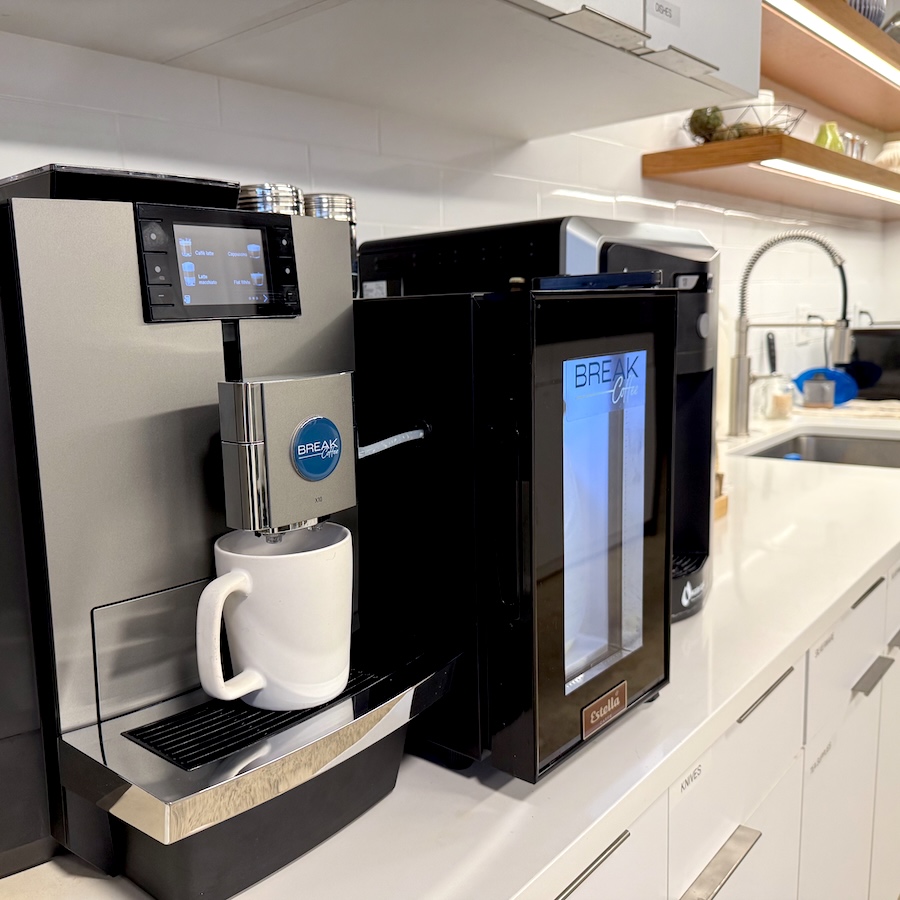
If you’ve priced a decent coffee setup for your office, you’ve already seen the problem: the machine cost hits fast, but the real headache usually shows up later when something breaks at 8:45 on a Monday. An office coffee machine lease can solve that, but only if the numbers, service, and contract actually fit how your office runs.
Office coffee machine leasing at a glance
Here’s the short answer: leasing makes sense when you want good coffee without a big upfront purchase, and you care just as much about service as the machine itself. Buying usually makes more sense when your needs are stable, your drink menu is simple, and you plan to keep the same setup for years.
That tradeoff matters more than most sales pitches admit. Leasing lowers the day-one cost and often wraps maintenance into one monthly bill. The catch is that the monthly number can feel harmless while the total over three or four years adds up to more than buying outright.
So the real question is not “Is leasing good or bad?” It’s simpler than that. Does your office want lower upfront cost and less hassle enough to pay more over time for it?
How an office coffee machine lease usually works
In plain English, an office coffee machine lease usually means you pay a fixed monthly amount to use equipment for a set term, often 24, 36, or 48 months. That agreement may include the machine alone, or it may bundle service, maintenance, filters, installation, and regular deliveries of coffee and related supplies.
A lease is not always the same as a rental or a subscription, even though plenty of providers blur the language. A lease usually has a longer contract and defined terms. A rental is often shorter and more flexible, but sometimes more expensive per month. A subscription usually bundles the machine, service, and consumables into one ongoing plan, more like a phone plan for your breakroom.
What happens if the machine breaks? In a good lease setup, you call the provider, a technician comes out, and the repair is covered unless the issue falls outside the agreement. In a bad setup, you find out the “included service” has limits, delays, or extra charges buried in the fine print. That difference is everything.
What’s Typically included in a lease agreement
Most office coffee machine lease agreements include the equipment itself, standard maintenance, and repairs caused by normal use. Installation is often included, especially for straightforward countertop machines, and some providers also handle basic staff training so nobody stands in the kitchen poking buttons like it’s a spaceship.
Filter changes are commonly included when the machine connects to a water line. Preventive maintenance may be scheduled every few months, which matters more than it sounds. Regular cleaning, calibration, and parts replacement can be the difference between smooth mornings and burnt coffee by week six.
Some lease packages go further and include coffee beans, syrups, tea, hot chocolate, cups, stirrers, or even a water machine. That can be genuinely useful if you want one provider handling the whole breakroom instead of five separate orders and one sad shelf of mismatched supplies.
What’s Usually not included
This is where offers start to look similar on the surface but feel very different once you dig in.
Premium ingredients are often extra, especially specialty syrups, branded pods, alternative milks, or upgraded beans. Emergency service outside normal hours may cost more. Plumbing work, electrical upgrades, and custom installation are often separate if your office needs more than a simple plug-in setup.
Deep cleaning can also fall outside the plan, especially for milk-based machines that need more attention. End-of-term charges show up here too. Return shipping, pickup fees, refurbishing costs, and buyout options can all land on the invoice later if you do not ask up front.
Is leasing worth it for your office?
Yes, leasing is often worth it if you want predictable costs, built-in support, and fewer equipment headaches. No, it is not automatically the better financial deal.
That’s the honest answer.
If your office depends on coffee to keep mornings moving, a lease buys more than a machine. It buys speed when something goes wrong, regular upkeep, and one place to call. For busy offices, that convenience is not fluff. It has real value.
But if your office size is steady, your coffee needs are simple, and you can handle upkeep without drama, buying may cost less over the long run. In that case, the lease premium can feel like paying extra for a safety net you rarely use.
When leasing makes the most sense
Leasing works well when a large upfront purchase feels annoying or unnecessary. Maybe your budget would rather spread costs out. Maybe your office is growing and you do not want to buy a machine that feels too small in a year. Maybe your current setup is a patchwork of pods, grocery store beans, and someone’s emergency French press in the back cabinet.
It also makes sense when reliability matters. If your office has regular guests, back-to-back meetings, or a team that genuinely uses the coffee station all day, downtime gets expensive fast in lost time and low patience. A lease with service included can take that off your plate.
There’s also a practical benefit in bundled breakroom service. If one provider can handle coffee, water, cups, syrups, and routine replenishment, that can save more admin hassle than expected.
When buying may be the better deal
Buying tends to win when your office already knows exactly what it needs. If your team mainly drinks regular coffee, your headcount is stable, and nobody is asking for cappuccinos at 2:00 p.m., a simpler owned setup can be the cleaner move.
The same goes if you already have facilities support or a dependable local service vendor. In that case, you may not need an all-in-one contract. Paying for built-in support every month can become expensive if your equipment is easy to maintain and rarely needs attention.
Long-term cost matters here. If you expect to use the same machine for five to seven years, buying often comes out ahead.
The biggest factors to compare before you sign
This is the part that actually saves money. Most lease offers look reasonable until you compare them side by side with the right questions in mind.
Monthly cost vs total cost over the full term
a monthly rate that depends on scope and local market conditions monthly payment feels manageable. Over 36 months, that is a monthly rate that depends on scope and local market conditions before extra supplies or fees. Stretch that to 48 months with required ingredient purchases and the real cost changes quickly.
Always add up the full contract value. Include monthly payments, minimum coffee commitments, service charges outside plan limits, installation costs, and end-of-term fees. A friendly monthly price can hide a very expensive agreement.
The trick is simple: compare total spend, not monthly comfort.
Machine type and drink options
Your office does not need the most impressive machine. Your office needs the right one.
If most people drink black coffee or simple lattes, you do not need a menu with 18 touchscreen options and three syrup hoppers. Extra drink choices sound fun, but unused features still cost money every month. It’s like paying for a gym with a climbing wall when all you wanted was the treadmill.
Match the machine to daily habits. High coffee volume and low complexity point one way. Lower volume and higher variety point another.
Service response time and maintenance
Once the machine stops working, spec sheets stop mattering.
Service terms deserve more attention than shiny features because downtime is what people remember. Ask how quickly a technician shows up, whether preventive maintenance is included, and if a loaner machine is available during longer repairs. A provider that answers calls quickly can be worth more than a provider with a prettier machine.
Support also needs to be clear. Who handles repairs? What cleaning is your responsibility? What counts as misuse versus normal wear? Those details decide whether your mornings stay smooth.
Contract length and flexibility
Longer terms usually lower the monthly price, but they also lock you in. If your office grows, moves, shrinks, or changes layout, that cheap payment can become surprisingly expensive.
Check for upgrade options, early termination fees, auto-renewal clauses, and relocation terms. If your office may change over the next two or three years, flexibility is worth paying for. The catch often hides right here, in the section nobody reads until too late.
Supply bundles and add-on services
Bundles can be genuinely helpful. Coffee beans, syrups, tea, cups, stirrers, water coolers, and filtration can all be folded into one plan. That makes restocking easier and can reduce the number of vendors you juggle.
But not every bundle saves money. Some just make the invoice look fuller. If the coffee prices are inflated or the minimum order is high, the convenience may cost more than it should. Good bundling saves time and keeps supplies consistent. Bad bundling pads the contract.
Types of office coffee machines you can lease
The machine category affects everything: monthly price, maintenance needs, drink quality, speed, and how much cleanup lands on your team.
Single-serve machines
Single-serve machines fit smaller offices or teams with mixed preferences. They are convenient, easy to use, and simple to keep tidy. Portion control is built in, which helps with waste and restocking.
The downside is cost per cup. Pods add up fast, and the waste bothers plenty of offices. If your team drinks a lot of coffee every day, single-serve can become the most expensive “simple” option.
Bean-to-cup machines
Bean-to-cup machines grind fresh beans and make drinks with the push of a button. For offices that want better coffee without hiring a barista, this is usually the sweet spot.
The quality is better, the experience feels more polished, and drink variety is often strong. But these machines cost more to lease and need regular cleaning and service. If your office wants café-style coffee, this is often the right trade.
Traditional drip brewers
Traditional drip brewers are the workhorses. If your office mostly wants good regular coffee in volume, a drip setup is hard to beat.
They are usually less expensive, easier to maintain, and less fussy overall. The limitation is obvious: fewer specialty drinks and less of a premium feel. But honestly, for plenty of offices, that is perfectly fine.
Espresso and specialty drink machines
These machines make the strongest impression. They suit reception areas, client-facing offices, hospitality-heavy spaces, and teams that care a lot about lattes, cappuccinos, and espresso drinks.
They also demand more. Milk systems require cleaning, service is more involved, and costs rise quickly. If that “wow” factor matters in your space, it can be worth it. If not, it becomes an expensive decoration in the corner.
What office coffee machine leasing really costs
Office coffee machine leasing costs are driven less by one sticker price and more by how much equipment, service, and supply support you build into the plan.
What affects your monthly lease price
Machine size matters. A simple brewer for a small office costs less than a high-capacity bean-to-cup unit serving dozens of people. Drink variety raises the price too, especially when milk systems, specialty beverage options, or touchscreens enter the picture.
Lease term length changes the payment, with longer terms usually lowering the monthly number. Service frequency, filter replacements, ingredient bundles, and water filtration all affect the final quote. So does installation. A plug-and-play setup is one thing. Custom plumbing across the breakroom is another.
Budget ranges by office needs
For a small office that mainly wants reliable coffee fast, leasing costs are usually at the lower end of the spectrum. Think basic single-serve or drip equipment with light service and modest supply needs.
Mid-size offices tend to land in the middle, especially when bean-to-cup machines enter the picture. Fresh beans, more daily cups, and stronger service support raise the price, but the jump in coffee quality is usually noticeable.
Larger offices or client-facing spaces sit at the higher end. Espresso systems, specialty drinks, higher capacity, and frequent service all push monthly costs up. That said, the right setup can still be cheaper than constant coffee runs or a frustrating underpowered machine.
The hidden fees that catch people off guard
Watch for delivery minimums, mandatory supply purchases, overage charges, and restocking fees. Some providers charge extra if your office falls behind on required cleaning or if technicians are called out for issues considered preventable.
End-of-term costs deserve special attention. Buyout pricing, equipment return fees, pickup charges, and automatic renewals can all turn a decent lease into an annoying one. If a quote looks surprisingly low, this is usually where the missing money went.
Common mistakes to avoid with an office coffee machine lease
Most bad lease experiences come from a mismatch, not from coffee itself.
Choosing a machine That’s too fancy for the office
A giant drink menu sounds exciting in a sales demo. Then six months pass, and 80 percent of the office still presses “regular coffee.”
If half the features go unused, you are paying for theater. Choose based on daily habits, not wishful thinking. The best machine is the one your office actually uses, not the one that looks impressive near the copier.
Focusing only on the monthly payment
Low monthly cost is not the same as good value. Weak service, overpriced beans, and extra fees can make the “cheapest” option the most expensive one on the page.
Compare the full picture: equipment quality, total contract cost, support, cleaning expectations, and bundled supply pricing. That tells you what you are really buying.
Skipping the service fine print
This mistake shows up later, usually when the machine is down and everyone is annoyed.
Check repair windows, parts coverage, training, preventive maintenance, and who handles support calls. Find out if service is local or routed through a larger network. Fast support beats vague promises every time.
Locking into the wrong contract length
Short terms can raise the monthly payment more than expected. Long terms can trap you in the wrong setup just as your office changes.
If your headcount is in flux or a move is possible, flexibility matters. If your office is stable and the machine fit is obvious, a longer term may work in your favor.
Best leasing setups by office use case
The right lease depends less on the provider pitch and more on how your office actually functions day to day.
Small offices that just need good coffee fast
A simpler machine is usually the better call. Single-serve or straightforward drip setups keep costs predictable and cleanup easy. Shorter commitments, if available, make sense when usage is light or office routines may change.
Supply replenishment matters here too. You do not want someone making emergency grocery runs because pods or beans ran out on a Thursday afternoon.
Growing teams that need flexibility
Growing offices need room to adjust. Upgrade paths, scalable service, and flexible capacity matter more than squeezing the payment down by a few dollars.
This is where a provider that also handles water machines, syrups, and breakroom supplies can make life easier. One relationship is simpler to manage than adding a new vendor every time your office needs expand.
Client-facing offices that want a better experience
If clients, guests, or candidates spend time in your space, coffee becomes part of the experience. Higher-end bean-to-cup or espresso systems often make sense here because presentation matters.
But service terms matter even more. A sleek machine that sits broken in reception is worse than a simpler one that always works.
Offices replacing a frustrating old setup
Leasing can be a clean reset when your current machine is unreliable, hard to clean, or always missing supplies. Before signing anything, write down what is actually causing the frustration. Slow brewing, poor taste, service delays, messy maintenance, or constant stockouts all point to different solutions.
That one step keeps you from replacing one annoying setup with a newer, shinier version of the same problem.
Questions to ask before you choose a coffee machine lease provider
Good quotes come from good questions. If you ask these up front, comparing offers gets much easier.
Questions about equipment and capacity
Ask what machine fits your headcount, daily cup volume, and drink preferences. Confirm space requirements, power needs, plumbing needs, and whether filtration is required for your water quality.
A machine can look perfect on paper and still be wrong for your breakroom if it needs connections your space does not have.
Questions about service and support
Ask who handles repairs, how fast service typically arrives, and whether preventive maintenance is scheduled automatically. Confirm if training is included after installation and what level of cleaning your staff is expected to handle.
You want clear answers here, not vague reassurance.
Questions about pricing and contract terms
Ask for the full contract cost, not just the monthly payment. Ask about supply commitments, overage fees, upgrade options, early termination, end-of-term choices, and auto-renewal terms.
Also ask for every fee that does not appear in the base monthly number. That one question can save a surprising amount of money.
A simple way to decide if leasing is right for you
Use a simple filter. If your office wants predictable monthly cost, dependable service, easy supply management, and flexibility as needs change, leasing is probably a strong fit. If your office is stable, your coffee needs are straightforward, and long-term savings matter most, buying is usually the better move.
Here’s the thing: the best decision is rarely about the machine alone. It’s about how much hassle you want to avoid.
Before choosing anything, write down your headcount, daily drink habits, budget comfort, service expectations, and the problems your current setup keeps causing. Then get one side-by-side quote for leasing and one for buying. That single comparison usually makes the answer a lot clearer.
- Disclaimer: This article is for general informational purposes only. It is not professional advice, a quote, or a service agreement. Conditions at your home or property may differ; contact a qualified professional for an on-site evaluation before making repair, safety, or spending decisions.