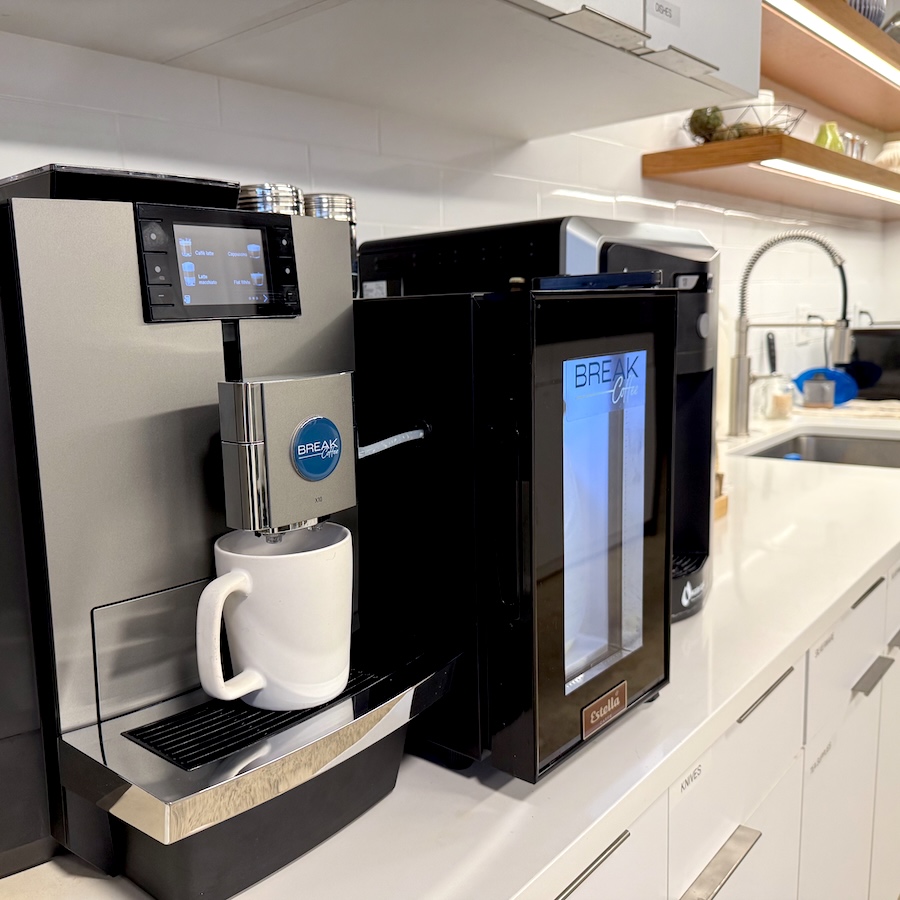
A long weekend can leave Loop tower break rooms with empty milk, low beans, and an intern cohort arriving Tuesday expecting cold brew that nobody restocked. Chicago facilities discover the gap when delivery schedules still reflect quiet days instead of the surge that follows when towers refill. Cup-based billing ties spend to measured pours so finance can defend break room lines when leadership asks whether service matched real use after time away. Break Coffee Co. installs Swiss-style whole-bean equipment that grinds per cup, steams real milk, and stays on weekly or biweekly service tuned to measured usage, preventative maintenance included so flavor stays stable when demand returns in waves tied to actual arrivals.
Why restock timing matters after time away
Intern turnover and long weekends stack demand on River North floors finance models as separate events instead of one heavy return week. Tower break rooms show the gap in afternoon cold brew turnover first when new arrivals meet returning staff on the same day.
Read the break room readiness quiz for a quick readiness score. The two week trial FAQ covers ambassador training and week one versus week two expectations. Local field notes frame how Chicago teams compare office coffee to what they drank in larger metros last season.
Checklist before the floor refills
Walk the pantry before return week: confirm bean levels, milk expiration dates, cold brew supply, filter status on water equipment, and drip tray condition. Label what needs service before Tuesday intern arrivals, not after complaints stack up.
The proprietary Arabica blend, sourced from Papua New Guinea, Brazil, and Colombia and roasted in the United States, is replenished on a rhythm matched to real pours so flavor stays stable when Chicago daily curves return after quiet weeks. Moving off single-use pods reduces visible plastic and improves taste in one upgrade employers can cite in sustainability updates.
Pilot the floor that sees real traffic
If you are evaluating service during return week, start a free two-week trial, no contract, where Chicago peaks are loudest after vacation. Ambassadors document line length by time block so week two data survives renewal review.
Use the about page when stakeholders ask how service, billing, and equipment differ from pod programs they are replacing. The blog index keeps newer field notes above older pieces so facilities can scan recent Chicago angles quickly.
What facilities should measure during return week
Track peak line length in Chicago when intern arrivals overlap returning staff on one in-office day. Appendix tables should name building type before finance merges unlike wings.
When you present pilot data for Chicago sites after vacation, separate morning from afternoon traffic in the appendix so renewal conversations stay grounded in real use. Cup-based billing makes return week data easier to defend because spend follows measured pours instead of seat assumptions alone.
Share time blocks and floor type when you request a trial on the Chicago overview so service aligns with real traffic on your address after staff return. Floor ambassadors who know freight rules watch drip trays and milk waste before those issues distort summaries leadership reviews after return week.
The two week trial FAQ summary reads clearer for Chicago floors when building type is named. The break room readiness quiz helps stakeholders agree on readiness before return week when HR and facilities need a shared score.
Facilities teams in Chicago that treat break room coffee as operational infrastructure, not a break fix, see fewer surprise outages when Loop towers refill after long weekends and intern cohorts turn over without warning.
When you are ready, use the Request a trial form on your Chicago overview page. Call 312-813-3088 (+13128133088) or email patty.carroll@breakcoffeeco.com for floor type and receiving questions. Patty Carroll’s team can walk through dock access and ambassador setup on your floor before week one service begins.