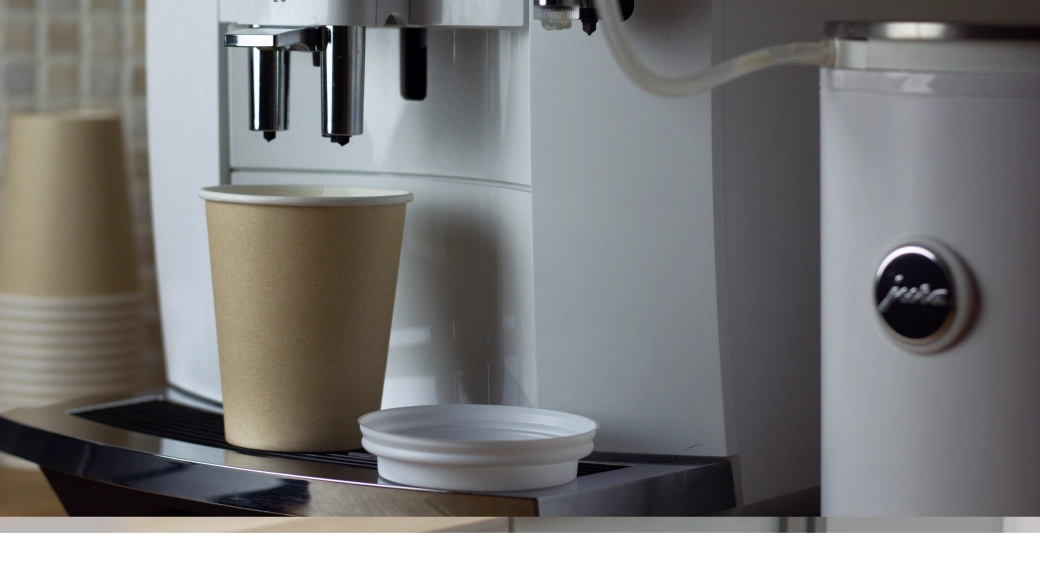
Chicago May still delivers lake wind on Tuesday and a riverwalk lunch crowd by Thursday in the same week. Inside Loop and River North towers, that swing shows up in merchandiser cases working harder, oat milk rotating through steam wands faster, and the first intern cohort treating the break room like a neighborhood café. Reliability is not only beans—it is cold chain habits, grinder calibration, and a service rhythm that does not wait for a sticky drip tray to become the office joke on the floor finance tours before summer lease decisions.
Merchandiser cases plus careful milk handling are the May story along the river: grab-and-go culture and espresso expectations share one pantry footprint, and refrigerators become someone’s side job when planning drifts.
HVAC floors that flip from over-cooled to humid by lunch
High-rises along Wacker, LaSalle, and the River North grid run HVAC-heavy interiors that can feel like winter at 8:00 a.m. and humid by 2:00 p.m. when crowds return from the riverwalk. Milk storage feels the swing before leadership does. Break Coffee Co. installs Swiss-style whole-bean equipment that grinds per cup, steams real milk, and stays on weekly or biweekly service tuned to measured usage. Preventative maintenance is bundled so facilities are not opening tickets every time the intern class discovers the steam wand.
Cup-based billing aligns spend with measured pours so finance can defend pantry lines in a May review that already questions every amenity.
Oat as standard while partner suites still want whole milk
Professional services and tech tenants often standardize on oat for part of the floor while partners’ suites expect whole milk for client hospitality. Dialing taps during a pilot prevents the “wrong milk” week that shows up in internal chatter faster than a broken card reader on the merchandiser bank.
Beans arrive as a proprietary 100% Arabica blend—Papua New Guinea, Brazil, Colombia—roasted in the United States and replenished on usage matched to real pours along the river band.
Merchandiser cases and the second breakfast nobody budgets
Grab-and-go cases compete for the same refrigerator space and the same 9:30 attention span. Employees who skip a sit-down breakfast still want a real latte before the next Teams block. Equipment that only serves drip leaves money on the table in adoption data—and sends people to the street-level shop with the shorter line on Clark or Kinzie.
Share building type and peak windows on the Chicago, IL overview when you request a trial so routing does not assume every site is a river-adjacent tower.
Pilot one high-traffic cluster through a weather-swing week
Start with a free two-week trial—no contract—in a single high-traffic cluster—often one floor or one wing—so facilities watch traffic honestly through at least one cold-rain day and one warm afternoon. Train ambassadors who know freight elevators and which loading entrance vendors should use.
Read the local field notes for lakefront indoor humidity context. The two week trial FAQ covers trial mechanics; the break room readiness quiz scores readiness on service and spend clarity.
Pair this piece with May merchandiser cases and break room milk discipline along the Loop for Loop-focused detail, and with Merchandiser traffic, milk discipline, and high-rise reliability for reliability framing—finance should see a full May week, not the quietest hybrid week of the month.
What to measure during a May pilot
Compare cup counts on cold-rain days versus warm afternoons—not as weather theater, but as context for ordering. Track milk discard alongside pours; divergence usually means refrigerator handling or over-ordering, not employee preference. Line length at 9:00 still matters in towers where everyone rides the same elevator bank.
Sustainability that shows up in intern photos
Intern cohorts document everything. A break room that still shows plastic pod towers in the background of a team photo undercuts ESG messaging in the same slide deck. Whole-bean equipment gives facilities a daily visible win that tastes better than the merchandiser chocolate bar nobody eats.
Patty Carroll’s team handles dock and security questions on the Chicago, IL overview—use the Request a trial form after you read the break room readiness quiz. Call 312-813-3088 (+13128133088) or email patty.carroll@breakcoffeeco.com for routing, dock hours, and security processes.
Finance should see at least one weather-swing week and one intern-heavy week in trial data before they annualize spend. If your pilot week was accidentally the quietest week of the month, extend the conversation with facilities before you scale—Chicago May rarely repeats the same traffic pattern seven days in a row.
Whole-bean bars, cup-based spend, and maintenance before the drip tray becomes lore—that is how Loop break rooms keep pace with a city that still respects lake wind in the forecast.