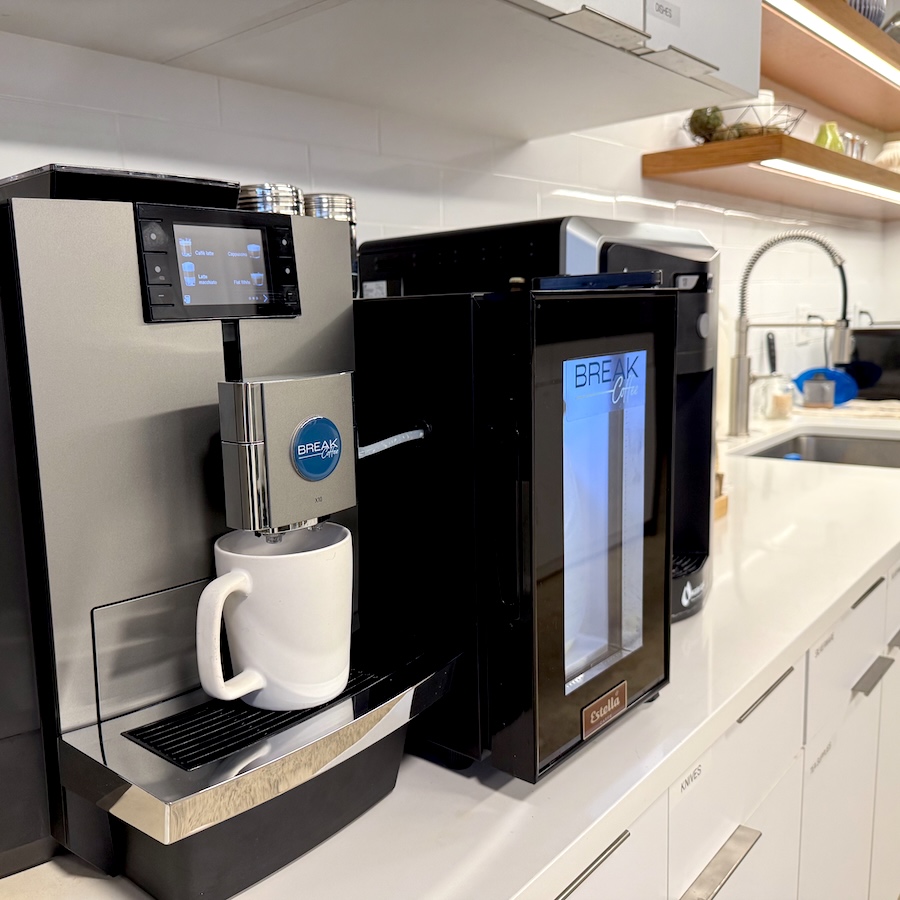
A Chicago pantry can look fully stocked and still fail by 2 p.m. Milk is gone. Cold brew is empty. Ice is melted down. Water cups are the only thing left. Total cups for the day can still look average.
Espresso, milk drinks, cold brew, ice, and water do not move together. A humid Loop afternoon, a River North visitor lunch, or a delayed freight car can shift the mix while headcount stays flat. Size the station from one product number and you restock the wrong thing.
Our Chicago team already treats winter milk staging as its own job in Loop towers. The same split belongs on the rest of the pantry, year round.

Split the record by product, not by vibe
During planning or a two-week trial, keep one simple station record covering refrigeration, storage, peak use, cleaning, delivery frequency, seasonal demand, and waste. Then split what ran low: milk, beans, cold brew, ice, cups, or water.
A few checks at consistent times are enough. Morning, lunch, and midafternoon usually tell the story. Note attendance beside consumption so a light Friday does not become the milk order.
Photograph the fridge and the cold brew setup. Record any machine message before clearing it. Write down what got discarded and why. Unused milk after a remote day is not the same problem as a cold brew stockout during a client lunch.
Keep that record with the local station plan. Changes should come from this floor’s attendance and service history, not from another market’s average. Keep one coffee standard across Chicago floors, then keep a record for each station if you are running more than one pantry.
Watch heat and visitors on the cold side
Loop and West Loop floors can stay hot inside even when the street looks fine. Afternoon cold brew and ice often rise after the morning latte line is already over. River North intern density and afternoon cold brew turnover and Loop sustained heat pantry lines are the local versions of that shift.
Guest traffic throws the mix off again. A recruiting day or board meeting can drain milk without changing badge counts. Tell us those calendars during the trial so a one-day spike does not silently become the standing dairy order.
Water is easy to ignore until cups or lids run out. If the floor uses the coffee station as the water stop, count that as demand. It is not “free.” It is a restock line.
Give milk its own fridge rules
Real milk drinks are part of the program. That means cold space, rotation, and a place to stage product when freight is late. Loop tower winter freight and milk staging covers the cold-weather version. The rule still applies in August if the freight elevator slips.
Keep catering trays and leftover lunch out of the coffee fridge. The floor owner should know how much room a busy week needs, how older stock gets used first, and who calls us about a warm fridge before the next visit. Personal milk stays off the Break shelf.
If oat, almond, or another alt milk is expected, write that as its own SKU. Do not assume it follows whole milk. Visitor floors often burn through alt milk first.
Map the restock route against the product that fails first
Write down security, loading or parking, freight elevator, pantry access, the service window, and a backup contact. Then ask which product dies first if that route slips by an hour.
On many Loop floors, milk fails first. On a hot afternoon floor, ice or cold brew fails first. West Loop freight elevator restock compression is a timing problem, not a taste problem. Prove the route on a busy day, not only on a slow Tuesday.
The office contact does not fix the machine. They do report low milk, a dead ice bin, a locked door, or a schedule change before our truck shows up.
Match equipment to the cold jobs you actually run
Capacity is only one part of the choice. The station needs counter clearance, workable water and power, organized storage, and refrigeration where milk or cold products require it. Our machines support hot and cold drinks. The pantry layout has to support both.
If there is no ice path that the building will allow, say so before you promise iced drinks. If the fridge is already full of catering, the coffee program does not have a cold side yet.
Cleaning roles should be specific. Everyday counter care and spill response sit with the floor. Periodic equipment service sits with us. Ice machines and shared merchandisers need a named owner or they fail quietly.
Review the trial against each product
At the end of two weeks, look at total cups, drink mix, peak hours, waste by product, access problems, and whether the office owner kept notes. The two-week trial FAQ covers the commercial basics. The break room readiness quiz is a quick check on fridge space and ownership before you lock service.
If milk, cold brew, ice, and water were mashed into one “supplies” line, keep measuring. Do not guess. Separate the normal program from optional additions such as expanded ice, extra cold brew, another floor, or event support.
Keep a one-page operating plan with the busiest periods, normal drink mix, placement, restock rhythm, cleaning jobs, service window, access instructions, and any open issue. Review it after the first normal month and after any major office move or schedule change.
Browse more local posts on the Chicago blog, start from the main Break Coffee Co. site, or reach our Chicago team through the contact section. For Loop, River North, West Loop, and surrounding business corridors, call (312) 813-3088 or email patty.carroll@breakcoffeeco.com.