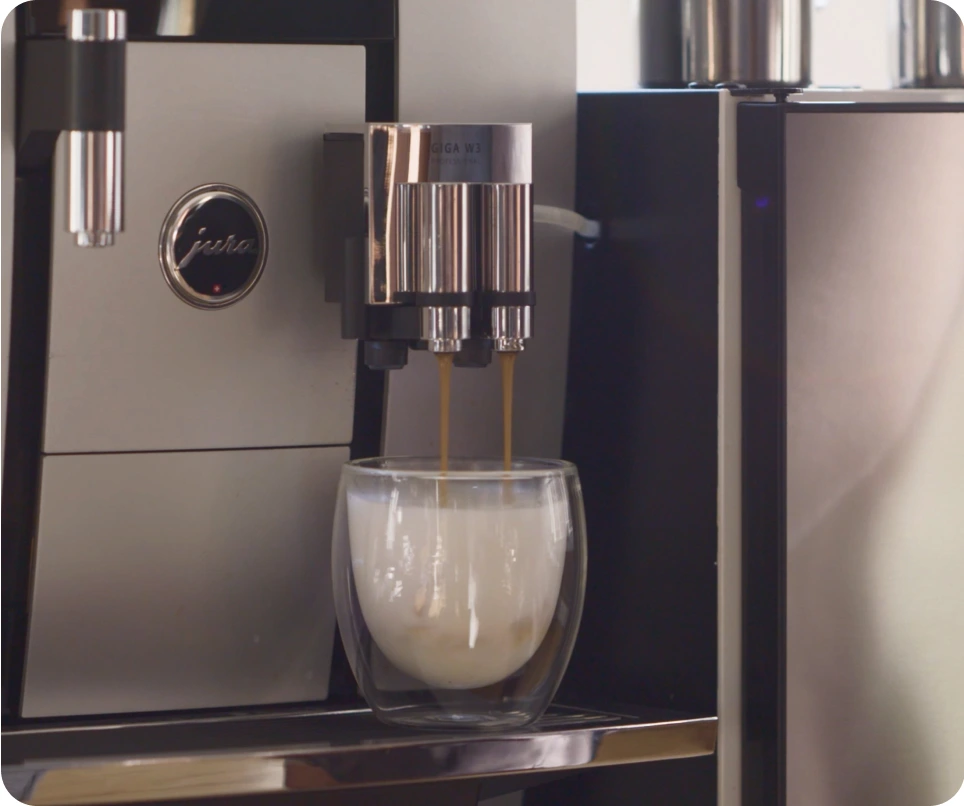
In New York City, a coffee machine can sit on a freight elevator while the pantry is still unfinished. Water, power, drainage, and the path from dock to floor decide whether install day is a clean handoff or a half-built station with equipment waiting in the wrong place. Drink preference and branding come later. Site readiness comes first.
For our New York City team, confirm water, power, drainage, and service access before the machine arrives. The free two-week trial should test a station that can run, not a wishlist spot that still needs building work.

Treat the pantry like an install site
A Midtown, Hudson Yards, or Downtown floor plan can look fine on paper and still fail on utilities. Measure the intended counter or alcove against machine clearance, refrigerator space, cup staging, and the service path our technician needs on recurring visits. If the open wall has no approved power, or the sink sits too far for the approved setup, pick another spot before freight is booked.
Our whole-bean machines and concierge visits assume a stable install, not a cart that moves every week. The break room readiness quiz gives facilities and workplace a shared score before anyone picks a ship date.
Lock water before you promise espresso
Ask where potable water comes from, who owns the connection, and whether building management must approve the work. Some NYC floors already have a pantry line in the right place. Others need landlord sign-off, a plumber, or a different machine arrangement that matches what the building allows.
Do not leave water open on install morning. If the answer is still “we think there is a shutoff nearby,” hold the machine. A delayed confirmation costs less than a docked crate with nowhere legal to connect.
Lock power capacity and outlet location
Whole-bean equipment needs a dedicated, correctly rated outlet in the final station location. Not an extension cord from a conference room. Confirm circuit capacity with building engineering when the pantry shares load with microwaves, refrigerators, ice machines, or undercounter appliances. Note whether the outlet is already in, whether a new drop is required, and who schedules that work.
If power work is incomplete, keep the ship date flexible. We would rather arrive once than stage a machine in a hallway while an electrician finishes the last stretch.
Lock drainage and spill handling
Drainage depends on the approved machine setup and building rules. Some stations need a drain path. Others use an approved arrangement with clear spill cleanup expectations. Facilities should know what the floor can support before the crate hits the dock.
Also decide where drip trays empty, where cleaning water goes, and who handles ordinary spills between visits. A station without a clear waste and cleanup plan becomes a facilities complaint by week two, even when the drinks taste fine.

Map service access like you map utilities
Utilities get the first drinks poured. Access keeps the program alive. Document the security desk process, loading dock or freight reservation, elevator rules, pantry badge, service window, and backup contact. Midtown and Downtown buildings often treat coffee service like any other recurring vendor: advance notice, certificate of insurance, and a fixed receiving window.
Write the route for a normal restock visit, not only the one-time install. If install day uses a special escort that never returns, the trial has not proven the operating path. Our notes on cross-tenant floor sharing in Midtown and Hudson Yards amenity floors versus shared pantry queues show how building layout already shapes daily use. Access planning belongs in that same conversation.
Separate install readiness from drink preference
Employees will care about espresso, milk drinks, and cold brew once the station works. Before that, the office coffee owner should confirm water status, power status, drainage or spill plan, machine footprint, refrigerator space, freight booking, floor access, and who meets the technician. Those items stop the common NYC failure: a polished break room photo with no path for the actual equipment.
The coffee owner is usually an office manager, facilities lead, workplace coordinator, or executive assistant. They do not plumb the machine. They keep the readiness list current and tell us when landlord work slips.
Run the trial only after the site can run
Once water, power, drainage, and access are confirmed, run both trial weeks on ordinary workdays. Capture cup count, drink mix, peak blocks, waste, station cleanliness, and any remaining access friction. If a utility shortcut was used just to start the trial, call that out and fix it before you lock restock. A program approved on temporary power fails the first time building engineering pulls the workaround.
Keep one page with the final station location, utility notes, freight process, badge contact, and open issues. That page beats a seating chart when the next service visit is booked.
Browse more local posts on the New York City blog, start from the main Break Coffee Co. site, or reach our NYC team through the contact section. For Midtown, Downtown, Hudson Yards, and surrounding Manhattan business corridors, call 908-783-5995 or email walter.koehler@breakcoffeeco.com.